In a hospital or clinic, where everything is white, silent, and governed by strict rules, a colorful toy, the sound of a child laughing, or a circle of stories may seem insignificant. But for a child living with a chronic illness, moments of play can be profoundly therapeutic.
Play is biological: In a child’s mind, body, and spirit
Even before a child speaks, they already play. Play is a universal language—a way to experience the world, test limits, imitate adults, and process what’s happening around them—even illness. When a child faces ongoing medical treatment, play remains vital and deserves intentional inclusion in their care routines.
From hospital to play space: How play supports treatment
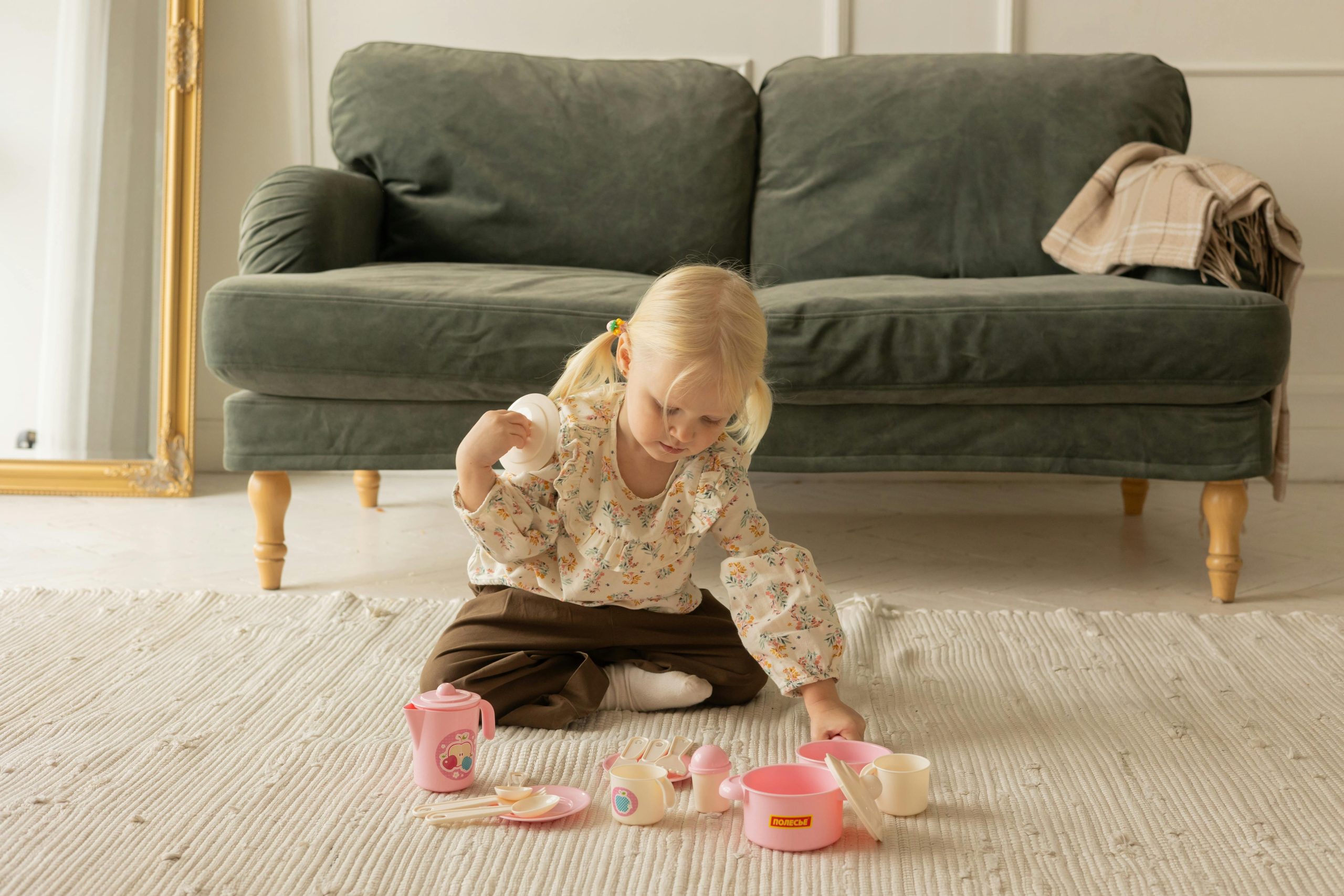 Around the world, hospitals are recognizing that play cannot be sidelined during treatment. Pediatric hospitals now often include playrooms, reading areas, art workshops, and visits from clowns or performing artists.
Play benefits children in powerful ways:
-
Reduces stress and anxiety: Play activates pleasure centers in the brain, offering a natural calming effect.
-
Improves treatment cooperation: Positive associations with medical environments make children more cooperative with procedures and staff.
-
Enables emotional expression: Children often communicate fears and confusion more easily through symbolic play than words.
-
Preserves developmental skills: Activities sustain motor, cognitive, and social abilities that could otherwise be compromised during long periods of illness or hospitalization.
The “right kind” of play for each moment
No single approach fits all. A child undergoing chemotherapy, for instance, might need restful moments on some days and more interactive play on others. Therapeutic play must match each child’s energy level and emotional state.
Therapists, caregivers, and parents often use sensory play, pretend games, art projects, storytelling, and even virtual reality to meet a child’s unique needs:
-
Drawing and painting help release emotions that can’t be spoken.
-
Board games and puzzles support focus and logic.
-
Puppet theater and story play give children symbolic ways to explore difficult emotions.
-
Virtual and augmented reality can safely engage children with mobility challenges.
Hospital playrooms: Spaces of life and resilience
A hospital playroom isn’t simply a “fun corner.” It’s often the place where a child truly feels like a child again. Amidst exams and medications, this corner offers color, movement, characters, and fantasy.
Studies from Brazil, Spain, Canada, and Japan show that hospitals with organized playrooms tend to reduce emotional regression and improve children’s engagement with treatment.
These spaces also give caregivers—parents, siblings, and family—a chance to witness joy, laughter, and creativity that contrast with the medical setting.
Playing out the illness: How children use pretend to process trauma
Have you ever watched a child give a teddy bear a pretend injection? Or play “doctor” while another stuffed friend cries? That’s not random. Children use play to gain emotional agency in situations they otherwise cannot control.
By acting out medical procedures or illness scenarios, children symbolically reclaim power—reversing roles, testing outcomes, and mentally preparing for what lies ahead.
Family participation: Strengthening bonds through play
Play isn’t just a job for therapists or trained volunteers. When parents engage in play with their ill child, they strengthen emotional bonds and soften their own pain.
Even when caregivers are exhausted, many report that a shared laugh or creative moment helps them feel hope and presence during difficult days. Simple strategies include:
-
Modeling clay or drawing together
-
Inventing stories with everyday objects
-
Making silly voices, sounds, or characters
-
Creating short, fun videos if allowed
These small acts carve out meaningful memories amidst hardship.
The science behind play: Data that supports the magic
Psychology, neuroscience, and educational studies show that play triggers:
-
Lower cortisol levels (stress hormone)
-
Increased endorphins and dopamine (pleasure and emotional relief)
-
Improved creativity and emotional resilience
In other words, play is not just symbolic—it has real physical, chemical, and neurological effects.
Safety and boundaries: Play with care
Of course, not all activities suit all children. Play materials must be sanitized, non-allergenic, and aligned with the child’s energy level. Patients shouldn’t feel pressured to “perform.” Instead, play should remain free, respectful, and child-led.
Professional guidance—from child life specialists or therapeutic play facilitators—ensures play spaces actually serve healing rather than just distraction.
Play is resistance. Play is living.
For a child with chronic illness, play can be one of the most defiant, life-affirming acts they can take. It transforms gray clinical spaces into zones of creativity and growth. It says: “I am still a child—full of imagination, curiosity, and hope.”
Yes—play can heal. Not as a cure, but as a constant ally supporting the body, mind, and heart.
If you care for a child, whether as a professional or family member, pay attention to how they play. In those moments, they reclaim joy, identity, and resilience. Play may just be their most powerful medicine.