Managing mail and paperwork at home sometimes feels overwhelming. I remember how often I used to lose track of bills, invitations, warranties, and even the odd birthday card. A single misplaced envelope would create a frantic search at the worst possible moment. Over time, I picked up some simple habits to tame this paper chaos, and I want to share them with you. If you also long for a calmer, more organized routine, these steps might help you too.
Why does managing mail and paperwork matter?
Paper clutter adds invisible weight to my home life. When my desk or dining table starts disappearing under piles of letters, magazines, and receipts, it distracts me and sometimes even stresses me out. A messy stack makes it easy to miss deadlines or lose out on refunds. For me, being organized with paperwork is not about appearances—it’s about my peace of mind.
Paper clutter steals time and calm from daily life.
Over the years, I’ve found that having a clear system also makes it easier to find what I need. That matters when bills are due, tax season arrives, or when there’s an unexpected need for a medical document or warranty card. Instead of searching in frustration, I know right where everything goes.
Start with a simple sorting system
I’ve learned that managing paperwork starts with a quick and easy sorting process. I created three basic categories that I use every time new mail arrives:
- Action: Items that need something done, like bills to pay or forms to sign.
- File: Papers to keep for reference, such as receipts, contracts, or medical records.
- Recycle or Shred: Junk mail, old flyers, or anything containing personal details that I no longer need.
I keep three dedicated spots for these categories. For me, this means three trays on a shelf near my front door, so nothing ever hits the kitchen table. You can use folders, baskets, or wall pockets. The key is every piece of mail has a place the moment it enters the house.
Choose a regular time to tackle paperwork
One thing that helped me most was not letting papers pile up. At first, I set aside time just once a week to go through the trays. Now, with my routine, I can check mail and paperwork each day and keep on top of things in ten minutes or less.
Even five minutes a day makes a real difference.
Some people like to handle paperwork as it arrives, while others prefer a regular time slot. I sometimes make a cup of tea and take my “action” pile to a quiet spot. I pay bills, RSVP to invitations, and make any needed calls. Dealing with “file” items is quick when I already know where to put them. I usually recycle or shred at the end.
Setting up a filing method that works for you
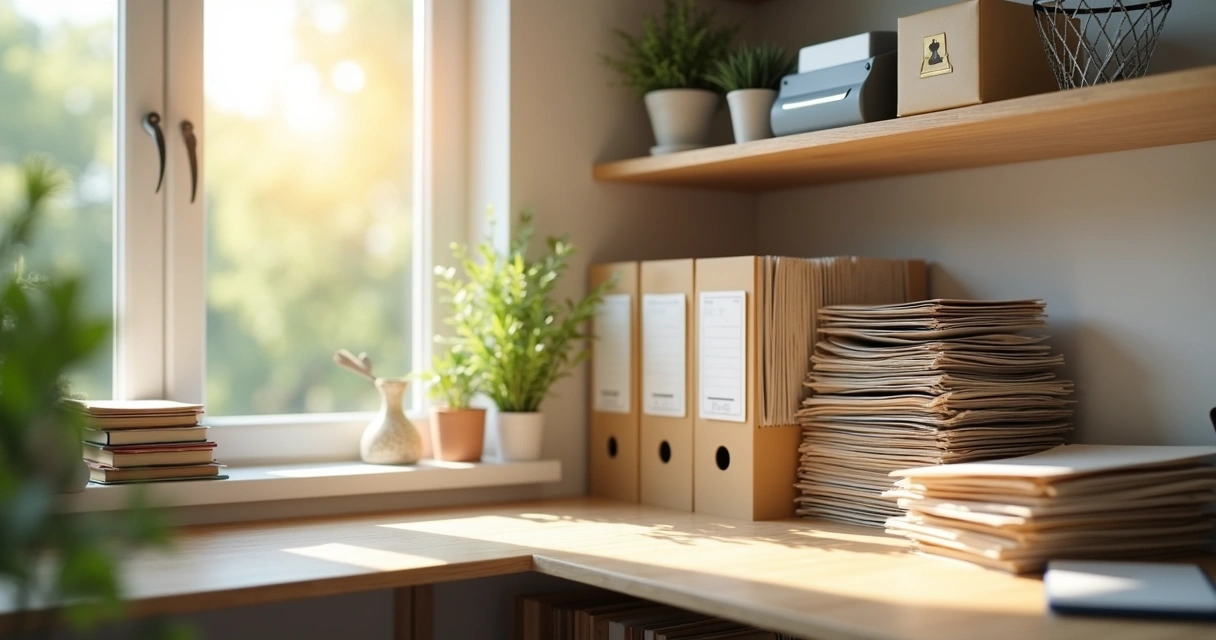
It took me a while to realize that fancy filing cabinets were not what I needed. I wanted something easy that I would use, not avoid. Here are a few simple filing ideas that have worked for me:
- Accordion folder: Handy for small spaces, with sections for different types of paperwork.
- Simple file box: A portable box with hanging folders labeled by topic, month, or person.
- Binder system: Clear plastic sleeves in a three-ring binder make it easy to flip through important documents.
I labeled each folder or section clearly: Bills, Medical, Insurance, Receipts, School, or any other topic that matched my needs. If you share a home, you might want files for each person or for categories like Home Repairs, Travel, or Taxes. The easier the system, the more likely you’ll stick to it.
What documents should I keep and for how long?
In my experience, knowing what to save and what to let go is hard at first. It helps to keep things as simple as possible. I ask myself the following about each item:
- Do I need this for taxes or legal reasons?
- Is it proof of purchase or ownership?
- Could I get this document again if I lost it?
- Does it have personal or sentimental value?
I’ve found the following rough guidelines work well for me:
- Bills and bank statements: Keep for at least one year, unless needed longer for taxes.
- Tax documents: Save for 5 to 7 years.
- Warranties and receipts: Hold onto while the warranty is valid. Discard expired warranties and match receipts to them.
- Vital records: Always keep originals of birth certificates, marriage licenses, and similar personal documents.
- Manuals and service agreements: I only keep what I actually reference.
I make it a point to shred anything with personal information I no longer need. This is a small extra step, but it helps protect against identity theft.
Switch to digital where it makes sense
Over time, I’ve switched many accounts to electronic billing or statements. I scan important papers sometimes, using my phone or a simple scanner, and store digital files by the same categories as my physical ones.
This made a real difference, especially for documents I rarely need but should not lose. But I choose digital only if it makes my life easier—not just because it’s new.
The best system is one that fits your life and feels simple enough to use every day.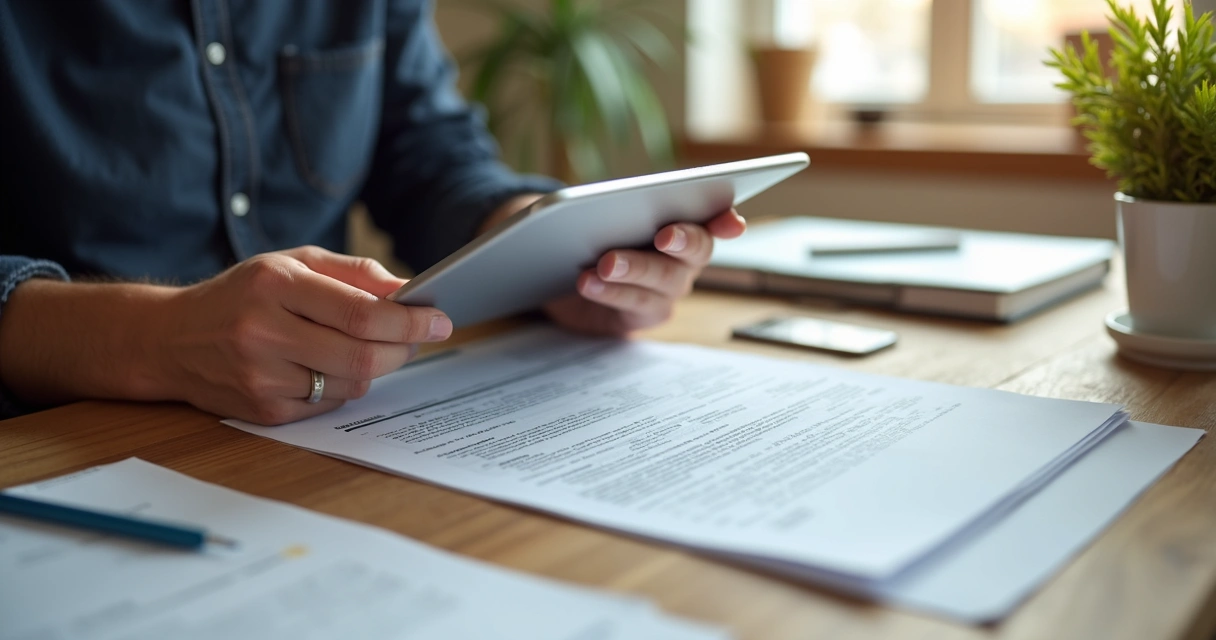
What about mail I want to keep, like cards and letters?
One of the joys of managing my papers better is that I finally enjoy the things I keep. Sentimental cards and handwritten letters mean a lot to me. For these, I have a small box—decorative, but not too large—where I store only those notes that feel truly special.
If it feels meaningful, give it a home.
I sometimes take photos of special letters and save them in a private album. I won’t tell you to toss everything, because our memories matter.
Practical habits for staying organized
Looking back, the habits that worked best for me are all about consistency, not perfection. Here are some I try to follow every week:
- Sort mail as soon as I bring it in; nothing gets left where it shouldn’t be.
- File or address “Action” papers within 24 hours, if possible.
- Keep storage areas small to avoid backup or overflow.
- Schedule a few minutes each month for bigger filing or cleanout tasks.
- Revisit my system every now and then. If a pile starts growing, I ask: does my setup still work for me?
Even when I slip and a stack grows, I don’t get discouraged. I start again the next day. The goal is to keep my paperwork from becoming a problem, not to chase some perfect file drawer.
Final thoughts
There was a time when unopened mail waited by the front door for days, and I dreaded tax season. It took me some time to find simple routines that worked. The difference these habits made in my peace of mind is something I wish I’d known sooner.
Managing mail and paperwork at home can be simple—with just a few clear steps and regular habits, peace returns to my space and mind.