There is something about standing next to an open suitcase that sets my mind spinning. Where will I go? What will I need? Over the years, through many trips filled with excitement and the occasional packing mishap, I have learned that smart packing can bring calm and even enjoyment to the travel process. Here, I want to share ten packing strategies I truly believe every traveler should know, especially as new travel trends and needs emerge for 2026.
Start with a detailed packing plan
I have found that lists are my best friend when preparing for a trip. Before I even take out my suitcase, I lay out everything I plan to bring on paper or in a note on my phone.
- Check the weather for your destination during your travel dates.
- Write out each activity—hiking, dinners, swimming—and the clothing needed.
- Add important items like chargers, medications, IDs, and travel documents.
Having a physical list helps me prevent last-minute forgetfulness and reduces stress the night before departure.
Choose the right luggage for your trip
The type of bag you take matters more than many people think. In my experience, matching your luggage to your trip style saves you from both backaches and awkward moments trying to fit an oversized case into a tiny rental car.
- For weekend trips, a compact carry-on keeps you light and mobile.
- International journeys may need a sturdy checked bag with reliable wheels.
- Opt for soft-sided luggage if you expect unpredictable storage space.
- Smart luggage with tracking and charging features can add peace of mind.
Suitcase selection sets the foundation for everything else you pack.
Roll, don’t fold your clothes
When I first tried rolling my clothes instead of folding, I was amazed at how much space I saved. Not only that, my clothes truly seemed less wrinkled when I unpacked.
Clothes rolled tightly fit neatly into every corner of your bag.
This method works especially well for t-shirts, pants, dresses, and light jackets. For bulkier items, I sometimes fold and place them at the bottom, but rolling is my go-to for most clothing.
Pack outfits, not separate pieces
It is easy to overpack when you just throw in your favorites “in case.” However, I learned to lay out complete outfits, making sure each item coordinates with at least two other things. This stops me from taking extra items I will never wear.
Each piece should serve a purpose and work for more than one activity or setting.
Think about shoes and accessories in the same way. I limit myself to two pairs of shoes and a few interchangeable pieces of jewelry, belts, or scarves that work with several looks.
Use packing cubes for organization
Packing cubes were a game changer for me. Before, my clothes would shift around during travel. Now, I organize by type or by outfit in color-coded cubes, so I never need to dig through my bag for clean socks or a bathing suit.
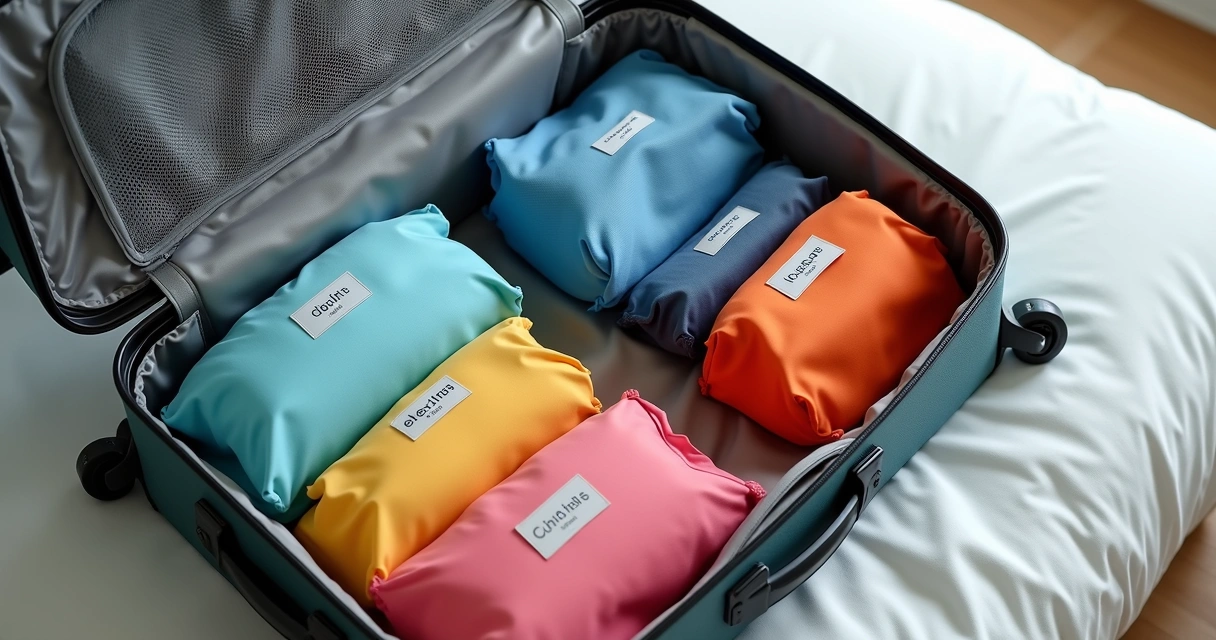
- Designate one cube for toiletries, another for underwear, and another for tops.
- Compression packing cubes allow you to squeeze out air and fit more into less space.
I never travel without these now, especially for trips where I move hotels often.
Weigh your bag ahead of time
I once stood at the airport, frantically shifting heavy items from my suitcase to my backpack to avoid an extra fee. That memory taught me to always check bag weight before leaving home. If you travel often, buying a small luggage scale makes things much easier.
Remember, airline restrictions change often, so check your airline’s rules for both checked and carry-on bags. This little step prevents both stress and unexpected expenses.
Advance preparation for liquids and technology
Security rules around liquids and electronics can disrupt your whole trip if ignored. I usually keep all my toiletries in a clear, resealable bag right at the top of my carry-on.
- Liquids in containers of 100ml or less, packed together for quick inspection.
- Electronics and chargers in a separate, accessible pouch.
- Back up digital documents and tickets on your phone and in printed form.
Preparing your electronics and liquids for inspection makes security lines much easier to handle.
Leave a little space for souvenirs
I have returned from trips with beautiful scarves and small artworks—only to stress about squeezing them into a full bag. Now I always leave a bit of empty room or bring a foldable tote for the return.
Bringing less means more room for memories and less worry about fitting everything in.
Keep must-haves in your personal item
On long travel days, the most useful items are those I can reach quickly. I always put passports, travel documents, medications, snacks, earphones, and a spare phone charger in a tote or backpack under the seat.
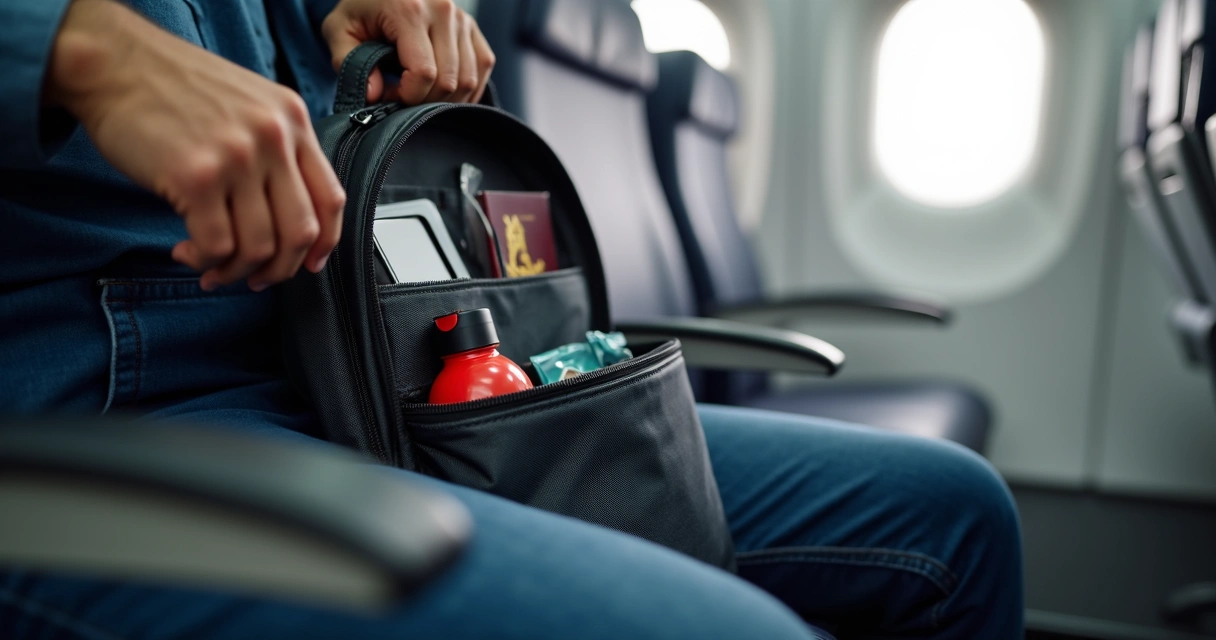
Even if my suitcase goes missing or is delayed, I know I have what I need with me for the first day or two. Keeping these must-haves close brings peace of mind.
Rethink the “just in case” approach
I used to be a “just in case” packer, but experience made me rethink that mindset. I have realized that needing to wash a shirt or buy an umbrella while traveling is rare and manageable. Overpacking, on the other hand, always weighs me down.
Ask yourself honestly: will you really wear or use each item? More often than not, less truly is more. If anything unexpected comes up, there is nearly always a local shop or laundry service available.
Stay flexible and adjust to the moment
Travel evolves. Weather shifts. Plans change. I focus on a packing style that gives me flexibility for anything that comes up, while keeping things simple and stress-free.
Pack with purpose, travel with peace.
Every trip teaches something new about how to prepare for the next one. Often, what we learn from being a little uncomfortable—maybe unpacking a crowded bag in a tiny room, or realizing we left our favorite shirt at home—becomes a story worth sharing.
Final thoughts
Smart packing is about making your trip easy, pleasant, and absolutely your own. I have found deep comfort in knowing that, with a few core habits, I can adapt to whatever comes my way on the road.
Make a list, think about your real needs, give yourself space for surprises, and above all, enjoy the journey before it even begins.