Traveling as a woman in cities—whether alone or with friends—brings its own unique experiences and, sometimes, challenges. I think there’s both freedom and caution to carry in my suitcase. Over time, with each trip, I have learned not just what to do, but especially what not to do. City adventures can be full of life and beauty, but safety is always on my mind. Here, I want to share the mistakes I’ve seen, made, and learned from, so that your urban travels feel safer and more relaxed.
Why city safety is different
Cities pulse with energy. They are crowded, fast-paced, and often unfamiliar. While this makes them exciting, it also presents risks that can surprise even seasoned travelers. In my experience, it’s the little habits—things I didn’t even think about at first—that have the biggest impact on safety.
Staying aware is powerful—but knowing what to avoid is even more.
Let’s look at the common mistakes and how to sidestep them.
Relying too much on digital maps and devices
At first, I loved the ease of having my phone guide me through new cities. But I quickly realized that staring at a device can make me look lost or distracted—an easy target for pickpockets. Once, lost in Barcelona, I stood on a busy corner, phone out, completely absorbed. Later, a fellow traveler warned me that this could draw unwanted attention. She was right.
- Save maps offline when possible. That way, I glance quickly, not wander aimlessly with my phone.
- Step inside a café or shop to check directions, rather than pausing in the open.
- Pay attention to what’s around me, not just what’s on the screen.
Appearing confident, even when unsure, is often more effective than knowing every turn.
Not blending in with local culture
It’s tempting to wear what feels comfortable or stylish to me, but some outfits that are common at home stand out in other cities. After arriving in Istanbul, I noticed almost immediately that tourists—including myself—were easy to spot by our clothing.
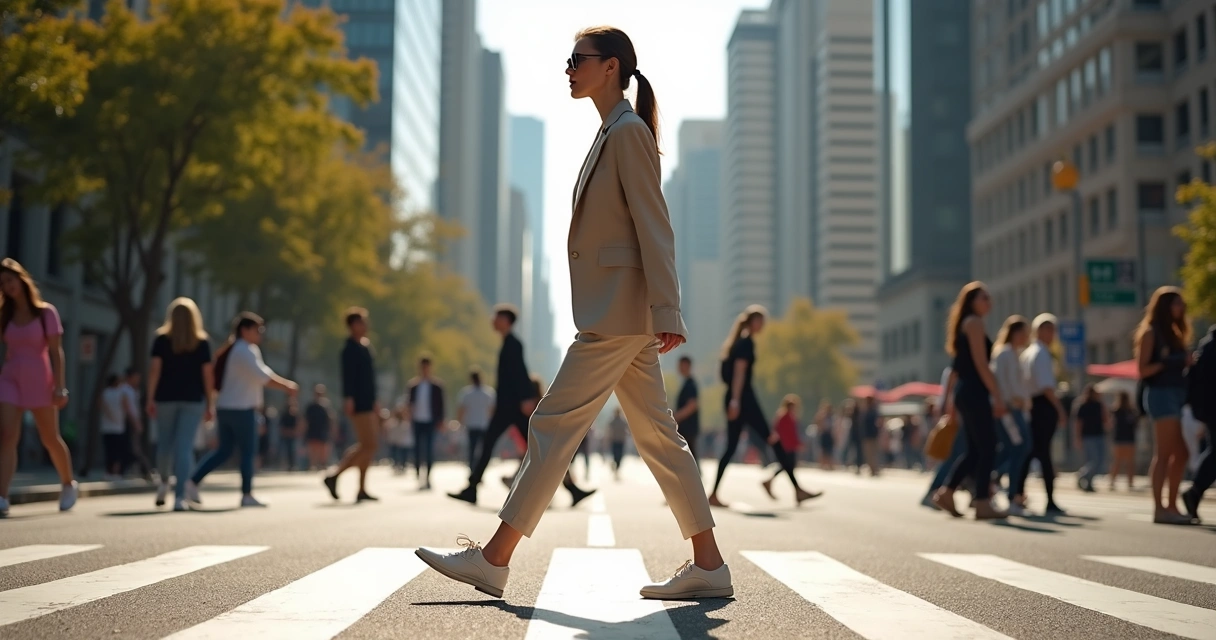
- Observe what local women are wearing and try to match the general style and colors.
- Choose shoes that are both comfortable and unremarkable.
- Carry a scarf or extra layer for modesty if needed in more conservative areas.
I also realized that carrying expensive bags or flashy jewelry got me more attention than I wanted. Since then, I leave those at home.
Ignoring gut feelings or discomfort
One lesson city travel taught me is the value of my own instinct. I remember taking a shortcut down a quiet street in Rome. It felt off, but I convinced myself I was being silly. I wasn’t. That alley led to an uncomfortable situation I could have avoided.
Trusting my intuition—even when it seems dramatic—has always been right.
- If a street, situation, or person feels “off,” change direction or enter a public space.
- No need to apologize for seeming rude; my safety matters more than politeness.
- Check the atmosphere: are locals avoiding that road? Is it unusually empty?
My gut always tells the truth before my mind has caught up.
Oversharing information with strangers
City life means lots of people—and plenty of friendly faces. I like chatting with locals, but I’ve learned to filter what I share. Early on, I made the mistake of telling new acquaintances where I was staying or my daily plans. This is risky, especially if that information spreads or reaches the wrong person.
- Keep details about my accommodation, plans, or travel route private.
- If someone asks too many personal questions, I stay vague. “I’m here for work.” “I’m meeting friends.” Short, simple answers.
- Being polite doesn’t mean being open about everything.
Sharing less about myself keeps my choices open and my safety stronger.
Not preparing for transportation ahead of time
Public transportation is convenient in most cities, but using it without preparation can lead to risky situations. Late one night, I missed the last metro in Paris and found myself walking back—a decision I immediately regretted.
- Check schedule times for buses, metros, and trains in advance.
- Try to travel during daylight, especially in unfamiliar areas.
- Use official taxi stands or ride services, and avoid accepting rides from strangers.
If possible, I confirm my ride’s details and driver before getting in the car. I always sit in the back and have my phone ready, screen unlocked.
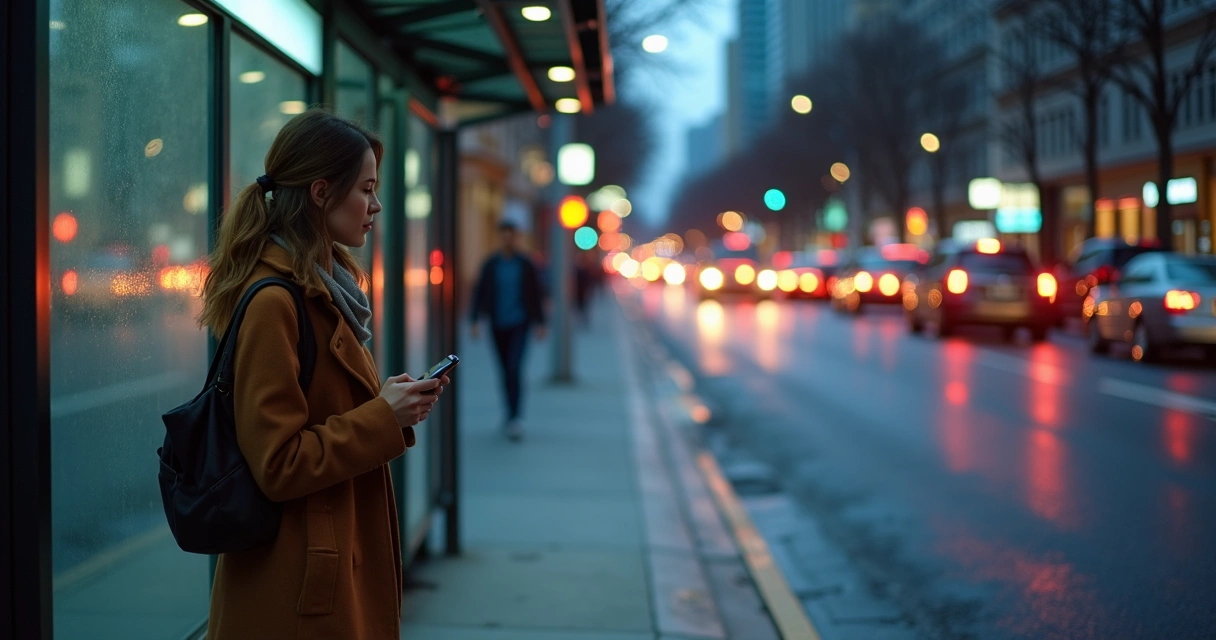
Knowing my way home before I leave is smarter than figuring it out on the street.
Carrying everything in one place
This is a mistake I learned after losing my wallet once, along with my ID, cash, and cards. Keeping everything together is convenient, but it also means losing access to everything if my bag gets taken or misplaced.
- Split cash and cards into different pockets or bags.
- Keep copies of key documents (like passport, ID) stored separately.
- Consider a small crossbody bag that always stays in front of me.
I also email myself copies of travel documents, so I can access them if I lose the originals.
Don’t put all your eggs in one basket—especially when it comes to valuables.
Forgetting about after-dark safety
City nights can feel magical, but they’re also when many safety risks increase. I have often ignored my own best advice, staying out late or choosing dark shortcuts. Usually, things went fine, but I know it was more luck than anything else.
- Stick to well-lit areas and busy streets after dark.
- If I feel uneasy, I call someone and talk until I reach my accommodation.
- Plan nights out with transportation home in mind—not after I’ve finished dinner or drinks.
Being out after dark is not inherently dangerous, but being unprepared is.
Underestimating the power of “no”
I used to feel I had to say yes—to that offer of help, to a stranger’s invitation, to social pressure from other travelers. But giving myself permission to say “no” has given me more control.
No is a complete sentence.
If someone’s behavior makes me uneasy, I leave the conversation. When an area feels unsafe, I find another way. My decisions shape my travels—no explanation needed.
Why planning matters—and flexibility too
I like to research neighborhoods ahead of time, but also keep plans flexible if things change. This mix lets me respond to unexpected events without panic. I check local news, weather, and cultural events that could affect street safety or transportation.
But I also leave room for last-minute adjustments. Sometimes, a route feels fine until I arrive. In that case, I turn around or try a different path, even if it’s less direct. It has saved me more than once.
Final thoughts: city travel worth remembering
City travel as a woman brings new perspectives and moments of deep learning. From what I have seen and felt, mistakes often start small—an unlocked phone, a shortcut, telling too much. But learning from them, and from the stories of others, can transform worry into greater freedom and joy.
Your safety is stronger than fear.
With small adjustments and honest self-awareness, every city can feel more welcoming and safe.