Every time I clean out my bathroom cabinet, I find bottles and boxes of expired pills and half-used chemical products. I used to wonder what to do with them. Flushing them? Throwing them in the trash? It all felt wrong. Over the years, I found that handling these items with care not only keeps homes safer, but also helps protect the environment. Here’s what I learned about safe disposal, and some practical steps you can take at home.
Why you should care about proper disposal
At first, I didn’t think tossing an old pill bottle in the trash could do much harm. The truth is, improper disposal can create real risks—not just for us, but for our water, soil, and even animals.
- Children and pets can accidentally ingest medications or chemicals thrown away carelessly.
- Certain chemicals might react and cause fires or toxic fumes.
- Medicines can leak into water systems, harming fish and contaminating drinking water.
- Chemicals dumped down sinks may damage plumbing and municipal water treatment systems.
Strong actions make a safer home and a cleaner world.
I often share these facts with friends, and most are surprised. Knowing why proper disposal matters helped me change old habits.
Understanding what you have
It’s easy to lose track of what’s in the cabinet or under the kitchen sink. I try to set aside time twice a year to check for:
- Expired or unused medicines, including pills, syrups, creams, or inhalers
- Household chemicals like cleaning fluids, paints, fertilizers, nail polish remover
- Pesticides, solvents, and even some beauty products
Before deciding how to dispose of anything, I make a short list. This way, I don’t accidentally mix one type of product with another, especially since some can react dangerously together.
How to safely dispose of old medicines
Getting rid of expired medication seems straightforward, but it’s not as simple as tossing them in the bin or flushing them. Here’s how I usually handle it:
Keep medicines out of the water
Years ago, many people would flush tablets or pour liquids down the drain. Today, I know that’s unsafe. Traces of drugs can end up in rivers or even drinking water. I never flush medicine, unless it’s the rare case where official instructions say it’s the only safe way, which is not common.
Household trash method (when official programs are not available)
Sometimes, there’s no collection point nearby. In those cases, I take extra care:
- Remove the medications from their original containers. This keeps personal health information private.
- Mix medicines (do not crush tablets) with an unappealing substance, like used coffee grounds, cat litter, or dirt. This discourages children, pets, or anyone rummaging through trash from eating them.
- Place the mixture in a sealed bag or empty container. This stops leaks before putting it in the trash.
- Remove or scratch out labels on medicine packaging before recycling or discarding containers.
I always keep medicines out of sight and reach until I have a way to throw them out securely.
About sharps and needles
If you use syringes, insulin pens, or other sharps, they need their own containers—never the household trash. I use a puncture-resistant, labeled container, and check community guidance for safe collection or drop-off recommendations.
How to dispose of household chemicals
Sometimes, I open a cupboard and find half-empty bottles of cleaning products, paint thinners, or pesticides from projects long forgotten. Disposing of these is different from medicines—but just as important to do right.
Never pour down the drain or toilet
Pouring chemicals down the drain or toilet can damage pipes and pollute water systems. For liquid household chemicals, I store them safely until I can use them up or find a collection site.
Check the label for instructions
Some products include detailed disposal steps. I always read the label. Sometimes, it’s safe to throw an empty container away once rinsed. Other times, even the residue requires care.
Prepare for collection
If I need to drop off chemicals, I keep them in their original containers, with lids tight. If labels are missing or unreadable, I write the contents in marker. I avoid mixing chemicals because I’m not always sure which combinations can create toxic reactions.
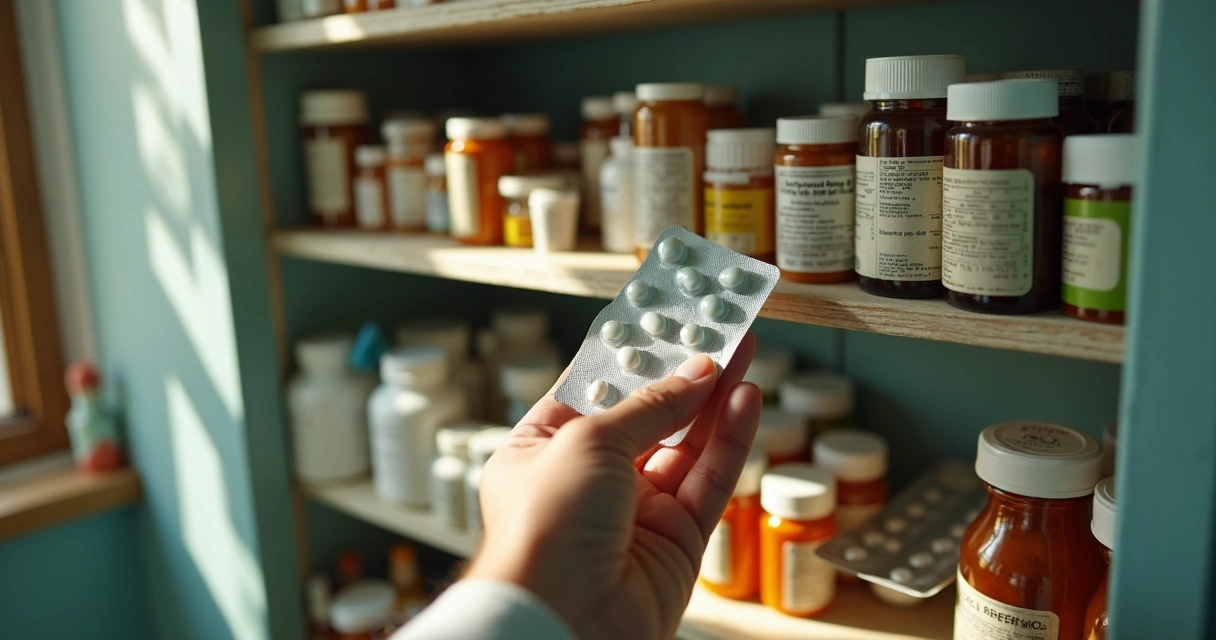
I once learned the hard way that mixing leftover cleaners in a bottle can be risky. The safest route is to store products separately until disposal.
Household trash—only for certain products
Some non-hazardous products, like dry soap or baking soda, can be thrown away. For others, I treat them with caution. For example, leftover motor oil or pesticides never go in the trash at my house. Instead, I keep them away from children and pets until I can safely remove them.
Tips for storing and waiting
Sometimes, safe collection events only happen a few times a year. This means you might need to keep items for a while. Here’s how I make sure my home stays safe in the meantime:
- Store chemicals and medications in their original packaging when possible
- Keep all items out of reach from children and pets
- Put them in a cool, dry spot, away from food, water sources, and direct sunlight
- Mark a calendar for local disposal collection dates, so I don’t forget
If I move items into new containers, I always label them clearly. This step prevents confusion or accidents later on.
Safe disposal is a community effort
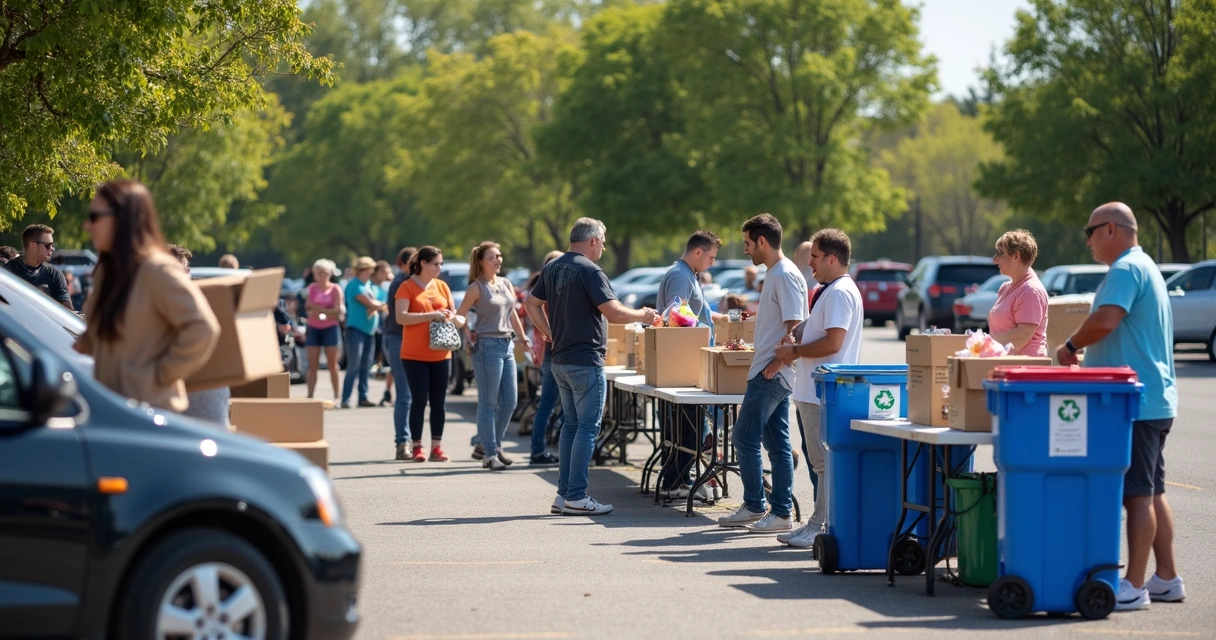
I believe proper disposal isn’t just about my household. It’s also about protecting neighbors, public spaces, and water for everyone. Over time, I found that some cities have collection days for medicines, chemicals, or even batteries and electronics. When these are offered, I gather everything I can and encourage friends to do the same.
What about recycling?
I have been surprised at how many empty pill bottles and cleaner jugs I collect. Some plastic bottles and cardboard medicine boxes can be recycled. I always clean and dry them, remove or cover personal details, and only recycle what my local service allows.
Small steps for safer homes
Whenever I finish organizing a storage shelf or medicine drawer, I feel relieved. It’s one less worry. Here are some habits I built that made a difference over the years:
- Buy only what I need—less waste means fewer leftovers to throw away
- Share reminders with family and friends about safe storage and disposal
- Double-check the label before tossing anything away
I keep a small “waiting box” in the garage for the next disposal event, so old items don’t end up in the trash by accident.
Actions we take at home echo far beyond our four walls.
Final thoughts
As time passes, I see safe disposal not as a chore, but as part of responsible living. Every careful step—reading a label, sealing up a bottle, or waiting for a collection day—protects health, water, and wildlife. I’ve seen how these habits add up, and my hope is that more people find them as natural and simple as I do today.
It all starts with the next bottle or box you find. Safe disposal is a small but powerful choice anyone can make, starting now, right at home.