Household tools are like old friends—quietly reliable, always there when you need them, but so easy to take for granted until the day you reach for a screwdriver and find only rust. Over the years, I have learned (sometimes the hard way) that how I store my tools matters almost as much as which ones I choose to keep. In this article, I want to share the most common mistakes people make when storing household tools, and how small changes can make life so much easier.
Why storing tools the right way matters
It is tempting to toss a hammer or wrench into a drawer or the back of the garage after a project. I used to do that all the time. But eventually, I found myself frustrated with missing pieces, rusty blades, and a jumble that made every repair feel ten times more difficult.
Taking a few extra minutes to store your tools properly can save hours of searching and money spent on replacements.
When you find the right home for your tools, you also make every future job less stressful. Plus, everything just looks a little tidier—there is something satisfying about an organized workbench or tool drawer.
Storing tools in damp or unventilated areas
The first lesson I learned the hard way is about moisture. Basements, sheds, and garages often seem like handy spots, but they can be damp. That moisture leads straight to rust. I have lost a pair of gardening shears and a set of screwdrivers to this mistake.
Here is what happens when tools are stored in damp places:
- Metal parts begin to corrode and weaken.
- Handles swell, crack, or rot—especially wood ones.
- Blades lose sharpness and can even stick together.
Storing tools in a dry, well-ventilated space is one of the best ways to extend their lifespan and keep them safe for use.
If the only available space is slightly damp, consider using moisture absorbers or a dehumidifier. Sometimes, a simple shelf higher up on a wall—away from the cold floor—can make a surprising difference.
Piling tools together without protection
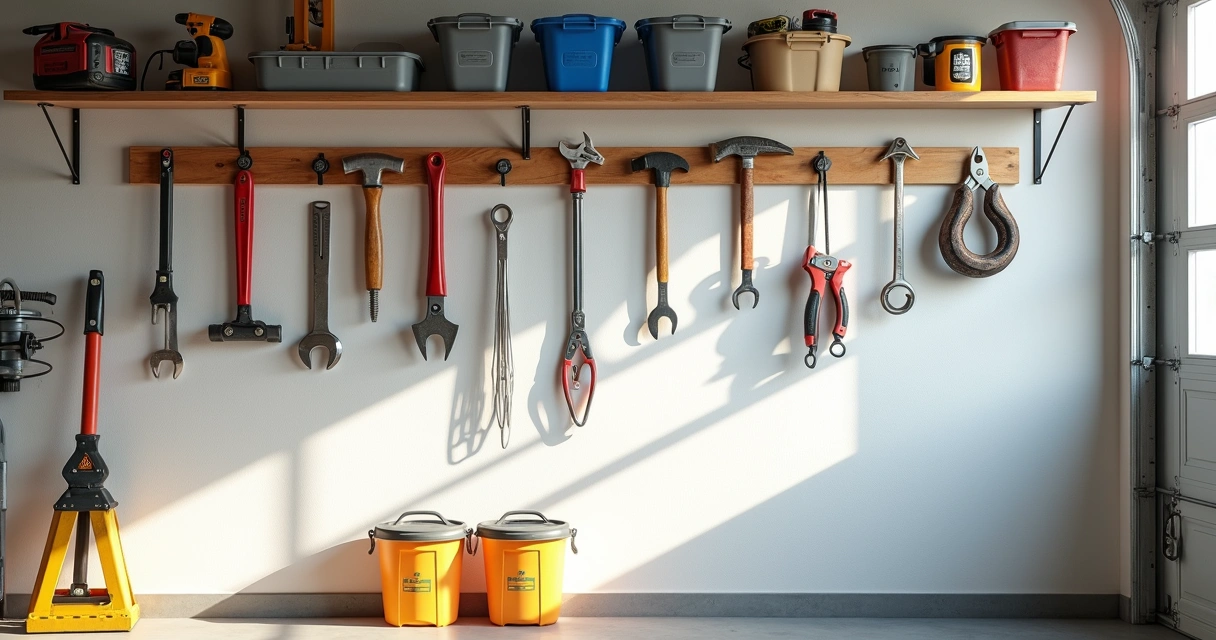
I have seen (and created) tangled piles of tools in plastic bins or deep drawers. At first, it feels efficient—out of sight, out of mind. But jumbled piles lead to real problems:
- Sharp edges knock and grind, dulling blades or tips.
- Small parts disappear into the mess.
- Delicate tools can get bent or damaged by heavier items.
Organizing tools so each one is visible and easy to grab is much better for their condition and your peace of mind.
Pegboards, drawer inserts, or small labeled bins work wonders. I never realized how satisfying it was to pull open a drawer and see each item in its place until I tried it for myself.
Neglecting to clean tools before storage
I used to return tools to the shed straight from the garden or after a day of household repairs, dreading the cleanup. Dirt, grease, and residue might not seem like much at first, but over time they eat away at the tool itself.
- Soil and sap hold moisture against metal, speeding up rust.
- Oil and grease attract dust, which creates a gritty mess that can jam up moving parts.
- Paint or glue left on bristles and blades makes the next use frustrating or impossible.
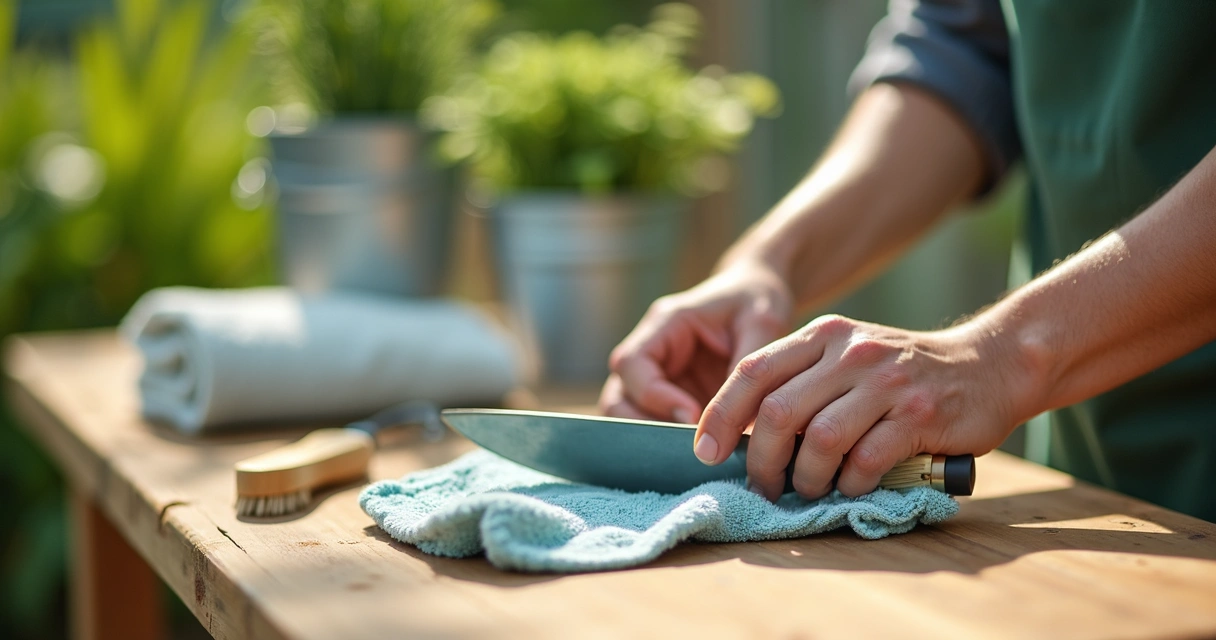
Now, I always wipe tools with a cloth and, if needed, a bit of soapy water. For garden tools, a brush is handy. Dry everything well before putting it away, especially anything with metal parts. A spare old towel tucked into the tool area makes this step feel less like a chore and more like a habit.
Forgetting regular maintenance
Proper storage is only half the battle. I have learned the importance of checking tools once in a while, especially after a few months of heavy use or storage.
Here’s what I look for:
- Rust spots or sticky hinges on pliers, snips, or scissors.
- Worn or splintered handles, especially on hammers or garden tools.
- Loose screws or bolts on moving parts.
Just a few minutes spent oiling hinges or tightening a screw can make a tool last years longer.
I keep a little bottle of machine oil handy and use it on hinges, pruners, or shears as needed. Wooden handles get an occasional rub with sandpaper and a dab of linseed oil to keep them smooth. It is easy to forget these steps until you really need a tool and find it’s stiff or broken, so routine makes a difference.
Ignoring proper labeling and separation
Once, I spent over half an hour looking for a specific screwdriver, only to find it in a box labeled “Holiday Lights.” That was the moment I started labeling drawers and bins for my tools. It does not require anything fancy. Sometimes, a sticky note is enough to make the contents clear.
Keeping similar items together and labeling helps in several ways:
- Reduces time spent searching or re-purchasing items.
- Makes it easy to spot when something is missing.
- Prevents confusion about which tools are used for certain jobs.
Labels make order simple.
Storing batteries and power tools incorrectly
Power tools are often the biggest investment, so I am extra careful with how I store them. One early mistake was leaving batteries inside all year round. Over time, this has caused both batteries and the tools themselves to degrade.
Here are steps I take now:
- Remove batteries when storing tools for longer periods.
- Store batteries in a dry environment, protected from heat and moisture.
- Keep charging cables folded and away from moving parts or heavy items that could damage them.
Storing batteries separately, somewhere dry and mild in temperature, helps preserve their lifespan and avoids messy corrosion.
I also make sure power tools go back into their original cases, if possible. If not, I use a shelf or a cupboard with a door to keep out dust and prevent accidental knocks.
Packing tools away too tightly
When I first organized my toolbox, I tried to fit everything neatly into a small space. Over time, I learned that squeezing too many tools into a single drawer or box leads to damage and makes it harder to find what I need. Tools pressed together get scratched, tangled, or even bent out of shape.
- Give each tool enough space so it can be picked up without dislodging everything else.
- Use tool rolls or foam inserts to create custom spaces for delicate or sharp items.
An organized toolbox is a pleasure to use, and it keeps even the smallest screwdriver safe from damage.
Not securing dangerous tools out of reach
If there are children or pets at home, this is non-negotiable. I have seen firsthand what can happen when sharp or heavy tools are left somewhere curious hands can find them.
Storing all dangerous tools behind closed doors or in locked cabinets is the only safe choice when there are young ones around.
Wall-mounted racks with hooks high up, locked cases, or sturdy cupboards all help prevent accidents. Taking an extra minute to check that everything is secure can prevent a world of regret later.
Conclusion: Making small changes for big impact
Storing household tools the right way does not have to be complicated. For me, these small changes have made a big difference in how smoothly home projects go, and how long my favorite tools last. Here’s what I always try to remember:
- Keep tools dry and away from moisture.
- Organize, label, and store everything so it is easy to spot and reach.
- Clean and maintain tools before putting them away.
- Never store batteries or dangerous items carelessly.
Order and care protect your tools—and your time.
Every tool that is easy to find and ready to use is one less source of stress and one more step toward an easier, safer home.