One November morning, while washing my face, I noticed my skin felt tighter than usual. It was just a hint, like the beginning of a dry spell. Moments like this remind me how our skin—our largest organ—can be both resilient and surprisingly delicate. Our faces daily face pollution, changes in weather, harsh cleansers, and sometimes, more stress than we’d care to admit. And each of these factors whispers at the delicate barrier that keeps everything in balance.
Your skin barrier acts as your personal shield, locking hydration in and keeping irritants out. I started seeing improvements in my own skin only after really paying attention to how I treated this barrier. So, if you’ve ever wondered what stands between you and healthy, radiant skin, it’s probably this thin, almost invisible layer working on your behalf.
Why a healthy barrier matters
Imagine your skin barrier as a city wall—when intact, it protects everything inside, but if cracks appear, trouble gets in. Redness, stinging, flaking, and breakouts often point to damage that’s more than surface deep. In my experience, healing this layer can sometimes be the turning point for skin that never seems to settle.
Strong skin barrier, stronger confidence—it’s all connected.
Before we head into the steps, just know: restoring your barrier is rarely immediate. Some days feel like you’re sprinting forward, and others, like nothing’s changing. But each step below is one I’ve either seen work or tried myself, especially during those wobbly-skin phases.

The seven foundation steps for skin barrier repair
1. Choose a gentle cleanser
I used to think squeaky-clean skin meant healthy skin. Turns out, stripping cleansers can wash away much more than dirt. A gentle, sulfate-free cleanser helps maintain natural oils and keeps the protective layer strong. It’s surprising the difference switching cleansers made for me—I felt less dryness, and after a week, less redness too.
2. Hydrate, hydrate, hydrate
If I had to pick one thing most people overlook, it’s hydration. When skin lacks moisture, its barrier thins out and cracks start to appear (sometimes literally). Look for products with humectants like glycerin or hyaluronic acid—they pull water into the outer layer and cushion it.
- Spritz with a gentle facial mist if your environment is dry.
- Add a hydrating serum after cleansing and before moisturizing.
3. Embrace barrier-loving moisturizers
There’s something comforting about pressing in a moisturizer that feels rich but not greasy. My preference leans toward creams with ceramides, cholesterol, and fatty acids—these mimic the skin’s own building blocks and help patch gaps in the barrier left by stress, weather, or harsh products.
4. Limit exfoliation and actives
At one point, I was exfoliating too often, chasing that instant smoothness. But more wasn’t better—instead, it set my progress back. Over-exfoliation wears down your skin’s barrier, making it more vulnerable instead of stronger. Once or twice a week is usually enough, and giving yourself a break from acids or retinoids when your skin feels raw really does help.
5. Protect with sunscreen every day
Even on grey days, UV rays pass through clouds and windows. I used to skip sunscreen indoors, not realizing it leaves the skin exposed to invisible aggressors. A broad-spectrum SPF (at least 30), applied every morning, shields your hard-earned barrier repair from being undone by sun exposure.
6. Avoid harsh ingredients and fragrances
This was a big lesson for me: not every “natural” ingredient equals gentle. Some can be quite harsh, and added fragrances often bring irritation, even if your nose enjoys them. Fragrance-free, alcohol-free, and dye-free products keep your barrier feeling safe, not assaulted. I started reading ingredient labels more carefully and my skin thanked me for it.
7. Lean on soothing ingredients
When my skin gets fussy, ingredients like oat, panthenol, centella asiatica, and squalane calm things down. They don’t force fast change but provide a steady environment for recovery. These ingredients quietly do their job, and after a week or two, the difference is not just visible—it can be felt.
More than products: everyday skin resilience
When talking about skin barrier health, it’s easy to focus only on what you put on your skin. But I noticed real improvement when I paid attention to what’s going on in my life, too.
- Sleep: I always feel my skin bounces back faster when I sleep well.
- Diet: A balanced routine with plenty of healthy fats, leafy greens, and water. It’s hard to ignore the inside-out connection.
- Stress: My skin often flares up when I’m stressed. Managing how I react is half the battle.
I try not to be dogmatic—sometimes life gets busy, and not every day will be perfect. If you mess up, or something stings, you just pause and try again tomorrow. Our skin, like us, is always changing.
Conclusion
Building resilient skin isn’t about finding a miracle product or sticking to a flawless routine. In my experience, it’s the small, steady changes—being gentler, hydrating more, pausing when things feel off—that build up to real transformation. The skin barrier is both your armor and your closest connection to the world, and treating it kindly always pays off.
Frequently asked questions
What is the skin barrier?
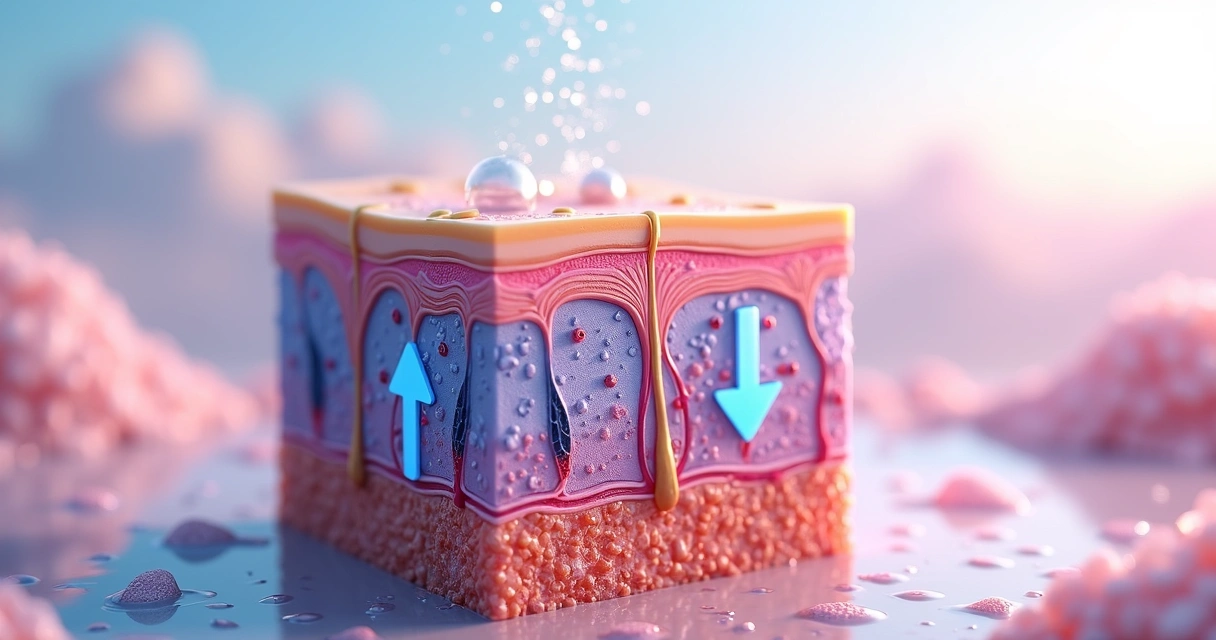
The skin barrier is the outermost layer of your skin, often called the stratum corneum. It is made up of skin cells and lipids, forming a protective shield that keeps moisture inside and blocks out irritants, bacteria, and pollution. In my research, I learned it functions almost like a brick wall—cells are the bricks, and lipids act as the mortar. When the barrier is intact, your skin feels soft, looks even, and is less prone to irritation.
How to repair a damaged skin barrier?
To repair a damaged skin barrier, I recommend stepping back from harsh treatments and focusing on gentle care. Use gentle cleansers, hydrating products, moisturizers with barrier-restoring ingredients, and always wear sunscreen. Cut out heavy exfoliation and products with strong fragrances or alcohol. Give your skin time to recover—it can take days, or sometimes weeks, depending on damage.
What are the seven essential steps?
The seven steps I find most helpful for barrier repair are:
- Cleanse with a gentle, non-stripping product
- Layer on hydrating products to boost moisture
- Apply a moisturizer rich in ceramides, cholesterol, and fatty acids
- Minimize exfoliation and actives while healing
- Use sunscreen daily
- Avoid harsh or fragranced ingredients
- Add soothing ingredients like oat or panthenol when needed
These steps support the skin barrier so it can recover and thrive.
How long does barrier repair take?
In my experience, mild barrier damage can start to improve within a few days if you switch to barrier-friendly habits. More severe cases sometimes need several weeks to months to fully recover. Consistency is key—don’t expect overnight changes, but slow, steady routines work best.
What ingredients help skin barrier repair?
Ingredients I reach for (and that are backed by lots of skin experts) include:
- Ceramides
- Cholesterol and fatty acids
- Hyaluronic acid or glycerin for hydration
- Oat extract, panthenol (vitamin B5), squalane, and centella asiatica for soothing
All of these help strengthen and support the delicate protective layer.