Few things shape healthy skin as much as sunscreen. I used to treat sunscreen as something optional, forgetting it indoors unless I was heading to the beach. But, after years of sunburns, freckles, and even a phase where my cheeks peeled every summer, I realized sunscreen has to become like brushing my teeth: an everyday thing. If you’re trying to make sunscreen a simple, daily habit too, picking the right one makes everything easier.
Why sunscreen matters every single day
Let me share a small story. A friend of mine, who always avoided sunscreen because she thought her skin “didn’t burn,” found a tiny sun spot on her shoulder that turned out to be more than just an age spot. That was the moment for her—and honestly, it was eye-opening for me, too. Daily sunscreen use isn’t about fearing the sun; it’s about caring for the skin you’ll have for life. Sun damage builds up over years, not just on those strong summer days but even during cloudy commutes.
UV rays penetrate clouds. That’s what makes them so sneaky.
The benefits? Fewer sunburns, less chance of premature lines or spots, and—importantly—lowered risk for certain skin issues. So, if you’re curious about how to choose a sunscreen that firmly fits into your daily routine, I promise it’s not difficult. The best choice is the one you’ll actually use, and it feels right for you.
Understanding the basics before choosing
There are a handful of key details that always catch my attention when browsing for sunscreen. Understanding them makes scanning a label so much less overwhelming.
- SPF (sun protection factor): This is the number that measures how much longer it would take for your skin to burn with sunscreen than without. For daily use, many sources recommend at least SPF 30.
- Broad spectrum: I look for this every time now. It means you’re protected from both UVA (ages skin) and UVB (burns skin) rays.
- Water resistance: Not strictly necessary if you’re at the office but handy if you sweat a bit or hope to take a walk at lunch.
Know your skin: A personal approach
Everyone’s skin reacts its own way. I used to pick up whatever sunscreen was on sale. Sometimes it stung my eyes, sometimes it left a ghostly cast on my face. Eventually, I realized I needed to match my sunscreen to my skin’s quirks.
- Oily or breakout-prone: Choose “non-comedogenic” or labeled specifically for facial use. Lightweight gels or fluids usually feel best and won’t clog pores.
- Dry or sensitive: Creamier, hydrating sunscreens with gentle filters are my go-to. Fragrance-free formulas help avoid irritation.
- Darker skin tones: Mineral sunscreens used to leave white streaks, but newer ones are often transparent or tinted. Chemical formats blend invisibly, but always do a patch test to be sure.
- Active lifestyles: Sports or water-resistant formulas stay put longer during workouts and outdoor errands.
Types of sunscreen: Chemical vs. mineral
I remember getting puzzled the first time I read about “chemical” vs. “mineral” (or “physical”) sunscreens. The difference is really just in how each formula protects your skin.
- Chemical sunscreens: Absorb UV rays before they reach your skin. They tend to feel lighter and are less visible. Sometimes, though, they can irritate sensitive types.
- Mineral sunscreens: Use ingredients like zinc oxide or titanium dioxide to physically block rays. They start working as soon as you apply them and are often the choice for sensitive skin or kids. Just watch for chalkiness—though that’s less of a problem with modern formulas.
Not all sunscreens feel the same. Texture is everything.
Key features that make sunscreen easy to use every day
The best sunscreen for a daily routine, in my experience, feels like part of your skin care, not a heavy chore. Here’s what I look for after years of trial and error:
- Texture you enjoy: A lotion or gel for oily skin, a creamy-rich finish for dry skin, or sprays for quick touch-ups. If it feels good, you’ll use it.
- No sticky after-feel: That sticky, greasy sensation made me skip sunscreen far too often. Lightweight and fast-absorbing products fix this.
- Compatible with your makeup: If you wear foundation or powder, test the sunscreen below it. Some formulas act like a smoothing primer, others may pill or slide.
- Fragrance or fragrance-free: I get headaches from strong scents, so fragrance-free is my default. But some gentle scents can actually be pleasant, so it’s personal.
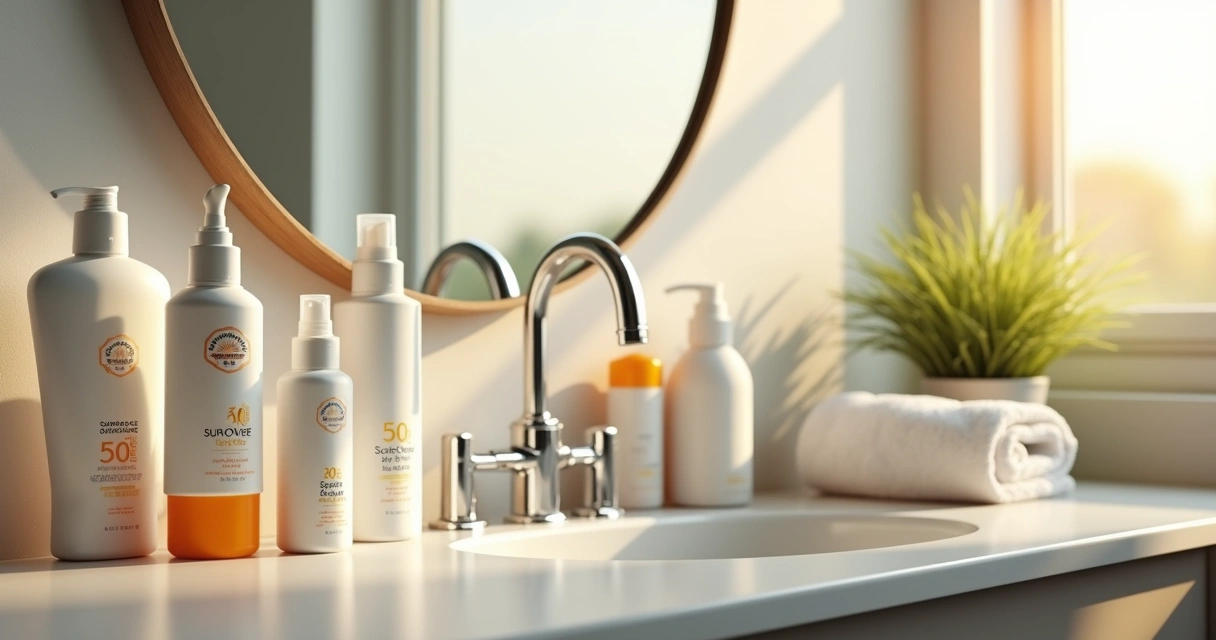
Finding the right sunscreen for your lifestyle
Your routine shapes your sunscreen choice as much as your skin type. I find it helpful to ask myself a few simple questions:
- Will I be outside most of the day, or just walking to my car and back?
- Do I exercise outside during lunch breaks?
- Where am I most likely to forget to reapply—at the office, gym, or running errands?
If you hardly leave the office, a lighter formula used in the mornings can be enough. For people who take brisk walks at lunchtime or spend a lot of time at playgrounds or parks, you might need something more resistant and portable for touch-ups.
My step-by-step routine for daily sunscreen use
Getting into the sunscreen habit took me a while. But with a little trial and error, I made it automatic.
- Keep sunscreen where you see it, right next to your moisturizer or near your keys.
- Apply it as the final step of your morning skin care routine, before makeup.
- Cover all exposed areas: face, ears, neck, chest, backs of hands—even that little spot by your hairline.
Apply generously. Skimpy application leads to less protection.
For touch-ups, I leave a stick-format or travel-sized tube in my bag or at my desk. Reapplying feels less tedious when it’s quick.
Pitfalls to avoid when picking sunscreen
There have been a few times when I trusted “all day protection” claims or bought a bottle just because of beautiful packaging. I learned the hard way—these often don’t deliver what’s needed.
- Don’t skip broad spectrum. Protection from both UVA and UVB is needed daily, because both sneak through windows and clouds.
- Watch for old products. Sunscreen loses effectiveness, so I try to write the purchase date on bottles and toss any over a year old.
- Sample first if possible. Small tubes or testers let you try before you commit to a big bottle. That helped me avoid wasting money on sticky or irritating formulas.
Making sunscreen a non-negotiable habit
Sometimes, using sunscreen isn’t easy—especially when in a rush. On cloudy days or in a hurry to get out, I sometimes catch myself skipping it. Truthfully, what works for me is making it automatic, like teeth brushing. Laying out sunscreen with my other morning products or using a spray for those rushed moments helped. I think the key is finding something you’ll want to use, every single day—without thinking twice.

Conclusion
Finding the right sunscreen for your daily routine honestly comes down to listening to your skin, considering your habits, and not being afraid to try a few options. The best sunscreen is the one you’ll use every day, without excuses or discomfort. Simple routines and products you enjoy can mean healthier, happier skin for years to come. Your future self will thank you each time you reach for that bottle or tube. A tiny step, but a lasting impact.
Frequently asked questions
What is SPF in sunscreen?
SPF stands for sun protection factor, and it measures how long you can stay in the sun before your skin starts to burn, compared to having no protection at all. For instance, SPF 30 means you could spend about 30 times longer in the sun before burning. However, factors like sweat, swimming, and how much you apply affect real-world protection.
How to pick sunscreen for oily skin?
In my experience, picking sunscreen for oily skin works best if you look for “oil-free” or “non-comedogenic” on the label. Light gels or fluid sunscreens are often less greasy, and matte-finish products can help control extra shine throughout the day.
Is mineral or chemical sunscreen better?
Neither mineral nor chemical sunscreen is “better” for everyone; it depends on your skin’s needs and preferences. Some people with sensitive or reactive skin like mineral (physical) sunscreens because they start working immediately and are less likely to cause irritation. Chemical filters usually feel lighter and disappear faster into the skin. For me, some days I prefer one, sometimes the other—it comes down to comfort.
How often should I reapply sunscreen?
Experts recommend reapplying sunscreen every two hours, especially if you’re outdoors, sweating, or after swimming. If you spend most of the day indoors, a morning application may be enough—unless you step out for lunch or errands.
Where to buy good sunscreen?
You can find quality sunscreen at most pharmacies, supermarkets, or beauty shops. I look for brands and products that display their SPF, broad spectrum, and expiration dates clearly. Testing a small amount before committing to a larger product can help you find the one that feels best for you.