There was a time when I cared only about shiny faucets and spotless floors, without giving much thought to what was left behind in the air or down the drain. That changed the day my neighbor complained about an odd scent after I scrubbed my kitchen. It made me wonder: What really lingers after a good cleaning session? Now, after some research, trial and error, and honest reflection, I have found that choosing eco-friendly cleaning products has benefits that go far beyond a clean surface.
What makes a cleaning product eco-friendly?
When I first started looking for greener options, I wanted a clear definition. From what I’ve seen, a cleaning product is considered eco-friendly if it:
- Is made from natural, non-toxic, or biodegradable ingredients
- Avoids harsh chemicals that can pollute water or harm health
- Uses minimal, recyclable, or compostable packaging
- Is produced with respect for the environment, like reduced energy use or emissions
I realized that many products have labels that sound reassuring, but the real test is knowing how each part of the product—ingredients, manufacturing, and disposal—affect our planet. Eco-friendly cleaning products protect indoor air quality and help keep toxins out of your home environment. They also tend to be gentler on sensitive skin and reduce water pollution.
Common harmful chemicals to avoid
Before I could pick better products, I had to know what to look out for. Certain chemicals in regular cleaners can be tough on our health and on nature. I found it helpful to keep this checklist close:
- Phthalates: Often found in fragrances, can harm hormones
- Triclosan: An antibacterial agent, linked to water pollution
- Ammonia: Effective but irritating to eyes and lungs
- Sodium lauryl sulfate (SLS): A foaming agent that can cause irritation
- Chlorine bleach: Tough on stains, tough on waterways
- 2-Butoxyethanol: Common in window cleaners, can cause headaches or nausea
- Quaternary ammonium compounds (quats): Used in disinfectants, can trigger asthma
Once I started flipping bottles around and scanning ingredient lists, I saw how often these chemicals appear. Avoiding these ingredients was my first step to cleaner air at home and a lighter environmental footprint.
Eco-friendly alternatives: What are the best choices?
Swapping harsh chemicals for greener substitutes wasn’t as hard as I expected. With a little curiosity and experimentation, I found quite a few eco-friendly options that work just as well, without leaving behind problematic residues.
- Vinegar: Cuts through grease, dissolves mineral deposits, and deodorizes. I use white vinegar for glass, counters, and floors.
- Baking soda: Naturally abrasive, making it perfect for scrubbing sinks, tubs, and removing stuck-on food. It also absorbs odors.
- Lemon juice: Great for dissolving water stains and leaving a fresh scent. I like adding a few drops to baking soda for tougher jobs.
- Castile soap: Made from plant oils, gentle on skin and safe for most surfaces. I dilute it for everything from hand soap to mopping solution.
- Olive oil or coconut oil: Good for polishing wood and conditioning cutting boards.
- Hydrogen peroxide: Effective for sanitizing, though I use it sparingly for targeted areas like bathroom grout.
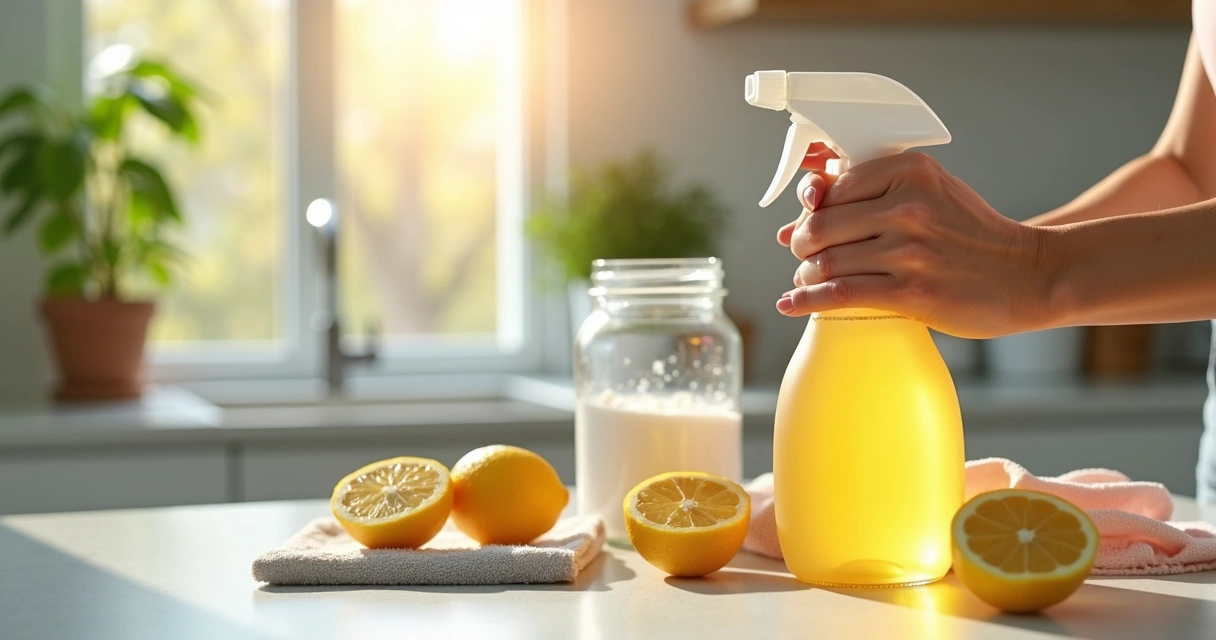
I still remember the first time I swapped my all-purpose spray for a simple mix of vinegar, water, and lemon. The kitchen felt fresher, and I wasn’t left with the sharp, artificial smell I once assumed was “clean.”
How to read labels and spot true eco-friendly products
Not every bottle claiming to be “green” really is. When I set out to choose eco-friendly products, I quickly learned to look past the front label and dig into the details. Here are a few things that have helped me:
- Look for ingredient lists. Transparent brands share all active materials.
- Avoid vague terms like “natural fragrance” or “plant-based” unless there are details to back them up.
- Prefer certifications for biodegradability, cruelty-free status, or organic sources when available.
- Check packaging. Refillable bottles, minimal plastic, or compostable packaging signal better choices.
The more I paid attention, the easier it became to identify honest, eco-conscious products. If something seems unclear or too good to be true, I often move on. Always reading the small print makes a huge difference in choosing truly green cleaning products.
Can I make my own eco-friendly cleaners?
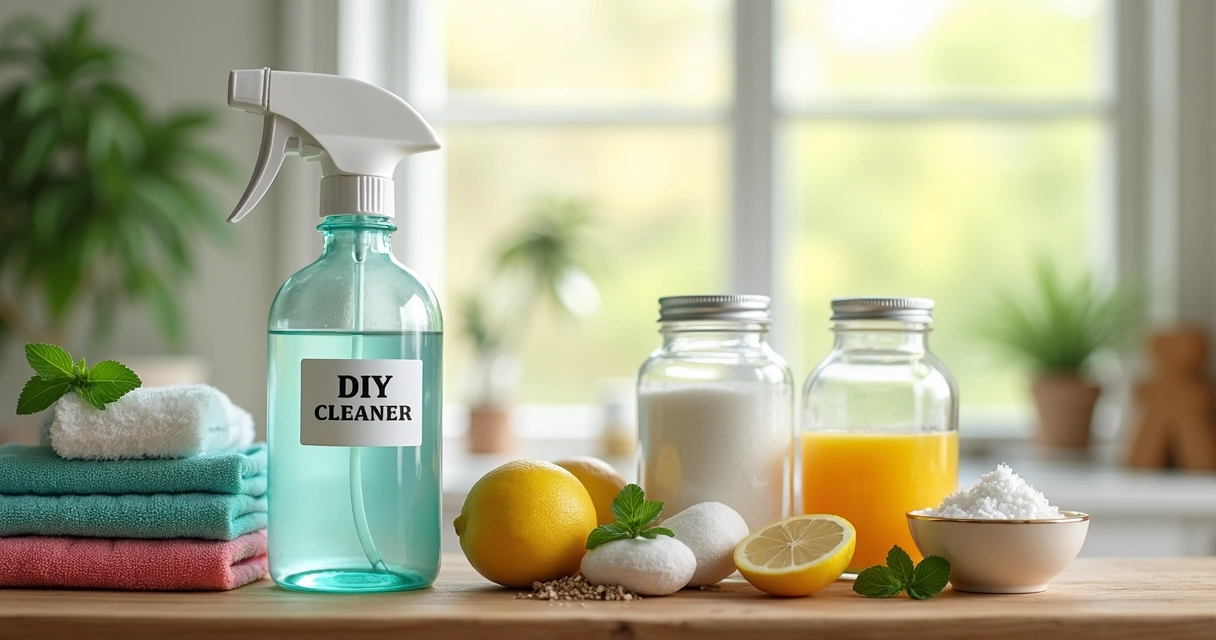
Absolutely. In fact, the most rewarding part of this journey for me was learning how to whip up basic cleaners at home. It’s cost-effective, easy, and I know exactly what goes into each mix.
My favorite DIY recipes include:
- All-purpose spray: Mix equal parts white vinegar and water, add a few drops of lemon or lavender essential oil if desired.
- Soft scrub: Combine baking soda with just enough water to form a paste. For extra cleaning power, add a little castile soap.
- Natural glass cleaner: One cup vinegar, one cup water, and one tablespoon of cornstarch shaken well before use.
Mixing these up takes only a few minutes, and I store them in reused glass bottles. There’s a calm kind of joy in knowing I’ve cleaned my home with just a handful of safe, simple ingredients.
Other tips for an eco-friendly cleaning routine
I learned that products alone don’t make a home green. Habits matter just as much, and a mindful approach saves time, money, and waste. Here are a few shifts that have made a difference for me:
- Switch to reusable cloths and sponges instead of disposable wipes
- Use just enough product, not more than needed
- Try cold water where possible to save energy
- Avoid single-use packaging and refill bottles instead
- Compost what you can, like lemon peels leftover from cleaning
These small changes build up. By focusing on quality and intention, my cleaning habits have become simpler and kinder to the earth.
Clean can be simple.
Are eco-friendly cleaning products really effective?
I sometimes hear doubts about whether greener cleaners truly work. From personal experience, I have found that most natural products handle daily messes well. For stubborn stains or disinfecting, I might use a bit of elbow grease or let a natural cleaner sit longer. But the results still impress me.
Eco-friendly cleaning products are effective for regular cleaning and keep the home feeling genuinely fresh, not artificially scented. The peace of mind I feel about the air in my kitchen, or the water I rinse down the sink, makes the switch well worth it. I also notice that my hands are less dry and there’s less dust lingering after a good clean.
Thinking beyond cleaning: The impact on health and the environment
Switching to eco-friendly cleaners has changed how I think about my home and my role in a wider world. The products I choose don’t just touch my family—they end up in water, soil, and even the air I share with neighbors.
Small, conscious choices about cleaning products help protect our health, reduce pollution, and support a more sustainable way of living. As I became more aware of this, I started noticing how much easier it is to breathe and relax at home when I avoid harsh chemicals.
I feel proud knowing that the leftover water from mopping or dishwashing is less likely to harm streams or gardens. This awareness connects my daily life to a bigger story, one that I believe matters deeply for the next generation too.
Final thoughts and my simple approach
Choosing eco-friendly cleaning products feels like an ongoing journey, one where each choice can add comfort and care to my day-to-day life. I know that no routine will ever be perfect, but these shifts make a meaningful impact.
I encourage you to try switching to even a few green cleaners, or to make your own using what you already have in your pantry. You might be surprised by how much you enjoy it.
Gentle habits, strong results.
I hope my experience helps you approach your own cleaning routine with more confidence and less worry about what you’re leaving behind, both in your home and in the world beyond your doorstep.