Some mornings, I wake up feeling refreshed and ready. Other days, it’s as if a heavy cloud is parked right over my head, making patience and happiness feel out of reach. I always wondered: is the difference something I did the day before or how well I slept? Over time, I realized that my sleep and my mood are deeply connected. Let’s look together at the signs to check if your sleep is affecting the way you feel—and what you might do about it.
How sleep and mood are linked
The connection between sleep and mood is clear in my own life and in the stories people share with me. If I sleep poorly, everything feels harder. Things that wouldn’t normally bother me suddenly cause annoyance or sadness. I see reactions like these in friends as well. Science has shown that our brains need rest not just for physical energy, but to help regulate emotions and process experiences.
During restful sleep, the brain sorts memories and emotions. If sleep is restless or cut short, irritability and low motivation can follow. In my experience, it’s not just grumpiness. Sometimes I notice anxiety or a sense of being overwhelmed, even by tasks I usually enjoy. On rare occasions, inadequate sleep leaves me feeling numb or withdrawn. These shifts aren’t random—they’re signals that my emotional health is tied to my sleep quality.
Sleep shapes how I react to the world each day.
What should you check if sleep is affecting your mood?
Understanding this pattern isn’t always simple, but I’ve found a personal checklist helps. If you notice your mood changing and wonder about sleep, here are some areas I suggest tracking:
- How long you sleep each night
- How many times you wake up during the night
- How you feel when you first wake up
- If your energy or motivation drops in the afternoon
- If you get irritable easily or feel sad without an obvious reason
- Whether your appetite changes with your sleep
- If you have trouble concentrating or remembering things
Sometimes, keeping a simple journal helps spot patterns. When I jot down what time I go to bed, wake up, and how I feel during the day, connections become clearer over a week or two.
Common sleep problems that impact mood
In conversations and from my own research, I learned several common issues can impact both sleep and mood:
- Difficulty falling asleep: Lying awake with racing thoughts can make the next day darker and heavier.
- Waking up often: Interrupted sleep can create a sense of fatigue that lingers long after morning.
- Waking up too early: When your sleep ends before you want it to, moodiness can last all day.
- Restless sleep: Tossing and turning, uncomfortable temperatures or noise can prevent deep rest.
When I find myself waking up tired after a full night in bed, I realize it’s not just the hours I spent asleep, but the quality of the sleep that matters. Sometimes life makes proper rest difficult—stressful times, changes in schedule, or worries can all throw off sleep patterns. Even small things, like too much caffeine in the afternoon or screen time at night, have snuck up on me as culprits.

Daily habits that affect both sleep and mood
Through personal observation, I discovered that my daily choices matter just as much as my bedtime routine. These are some habits that have the biggest effect:
- Exercise: Light to moderate movement during the day helps me sleep more soundly at night. Too much exercise late in the evening can actually keep me awake.
- Screen time: Phones, tablets, and laptops give off blue light that can mess with natural sleep rhythms. I try to limit my screen exposure an hour before bed and noticed a positive change.
- Food and drink: Eating heavy meals or drinking caffeine and alcohol late in the evening makes it harder for me to settle down and rest well.
- Stress management: When I go to bed stressed or anxious, it almost always interrupts my sleep. Journaling, breathing exercises, or listening to calming music before bed improves the odds of getting restful sleep.
When I get out of routine for a few days, I see the difference—sleep feels lighter, and I’m not as upbeat or resilient.
Small daily choices shape both sleep and mood.
When should you seek help?
While many people can adjust routines and feel better, I believe it’s wise to watch for signs that tell you it’s time to ask for help. In my experience and through what others have shared with me, these signs stand out:
- Your sleep problems have lasted more than two or three weeks
- You feel sad or anxious most days, even after trying to improve your sleep
- Daytime sleepiness is making it hard to work, care for family, or enjoy activities
- Thoughts of harming yourself or feeling hopeless about the future
If any of these sound familiar, talking with a healthcare provider can help. There are treatments and strategies for better sleep and mood—even small adjustments can bring relief.
Building better sleep for a brighter mood
Over time, I have tried many different ways to improve my rest and mood. Here are some changes that have worked for me and for people I’ve spoken with:
- Setting a regular wake-up and bedtime, even on weekends
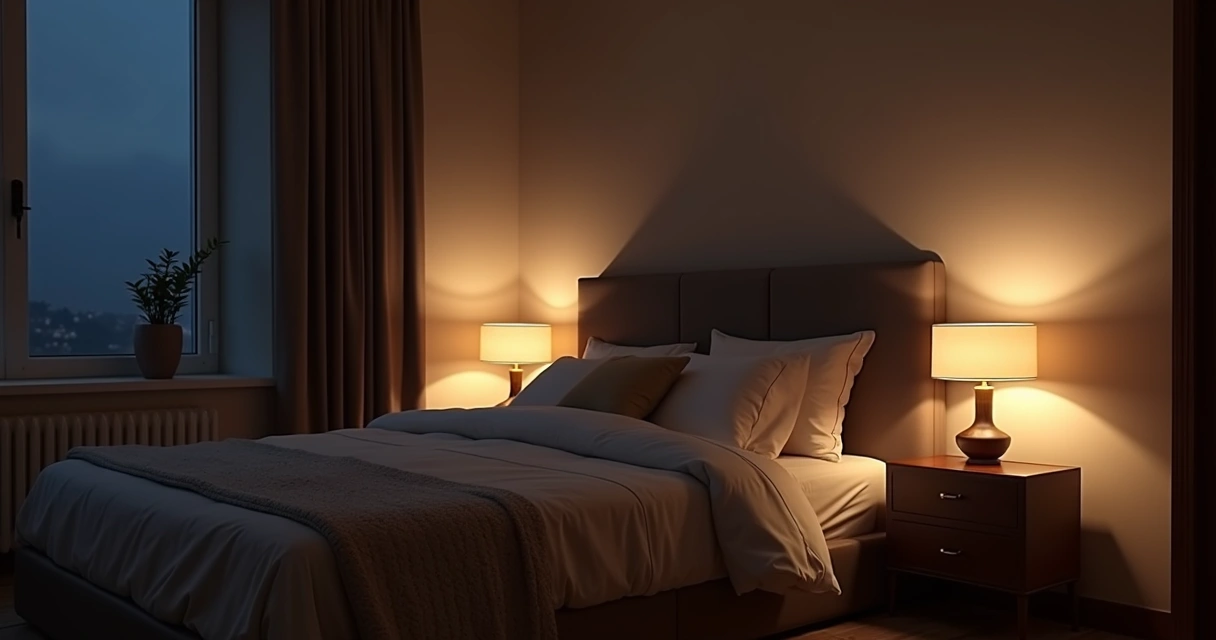
- Making the bedroom as dark, cool, and quiet as possible
- Using earplugs or a sleep mask if needed
- Keeping a notebook by the bed for late-night worries or reminders
- Avoiding screens and heavy conversations right before bed
When I make these steps a regular part of my evenings, I not only sleep better, but I also feel happier, calmer, and more able to handle whatever comes my way.
Conclusion
How well I sleep isn’t just a night-time issue—it colors every part of my day. If your mood shifts often or you find yourself less patient or hopeful, take a closer look at your rest. By noticing patterns, adjusting routines, and when needed, reaching out for help, I believe you can find a path to better nights and brighter days. After all, sometimes the shift you need starts with how you sleep tonight.
Frequently asked questions
What is sleep hygiene?
Sleep hygiene is a term for the routines and habits that help you get restful and consistent sleep. In my experience, sleep hygiene includes things like sticking to a regular sleep schedule, creating a comfortable bedroom, limiting screen time before bed, and avoiding caffeine late in the day. Good sleep hygiene supports both physical and mental health.
How does poor sleep affect mood?
Poor sleep can make me feel irritable, sad, anxious, or more easily stressed. Even one bad night impacts my patience and energy. Chronic sleep trouble over weeks or months often leads to ongoing mood changes or even symptoms of depression or anxiety. Poor sleep makes it much harder for the brain to manage emotions well.
How can I improve my sleep?
Based on what has worked for me, you can try keeping a regular sleep and wake-up time, winding down with calming activities before bed, keeping your room cool and dark, and avoiding large meals or screens late in the evening. If nothing seems to help after a few weeks, I would suggest speaking with a healthcare professional to rule out other issues.
What are signs of bad sleep?
Signs of bad sleep include needing a long time to fall asleep, waking up often or too early, feeling tired even after sleeping, and struggling to concentrate or handle emotions the next day. If you feel low energy almost every day, it’s time to look at your sleep quality.
Can sleep disorders cause mood swings?
Yes, sleep disorders like insomnia, sleep apnea, or restless legs syndrome can definitely cause mood swings. In my research, I’ve seen that untreated sleep problems often lead to changes in emotions, such as feeling more irritable, anxious, or even depressed. It’s always a good idea to check with a professional if sleep is a persistent struggle and mood changes come with it.