I have always enjoyed keeping mementos and treasures from my life close by. Old concert tickets, family photos, my grandmother’s porcelain figurines, or unique travel finds—all of these carry stories that are dear to me. But there’s one thing I quickly realized: dust loves memories as much as I do. Over the years, I learned how to keep my collectibles clean without losing that cozy feeling. Here is what truly works for me, from display tips to gentle cleaning routines.
Why dust is such a threat to memories
Dust is more than just a minor annoyance. It can cause discoloration, damage delicate surfaces, and make treasured items feel neglected. For fragile things like old photographs, plush toys, or sculptures, dust can even shorten their lifespans. I once left a childhood drawing out on a shelf—only to find the colors had faded and the edges turned brittle because of dust and humidity. That small loss pushed me to start paying attention to how I store and clean these pieces of my personal history.
Small daily habits can make a lifelong difference.
Where to start: Storing memories the smart way
Before you even think of cleaning, the right storage makes everything easier. I tried a few methods before settling on what suits my unique mix of keepsakes. Here’s what helped:
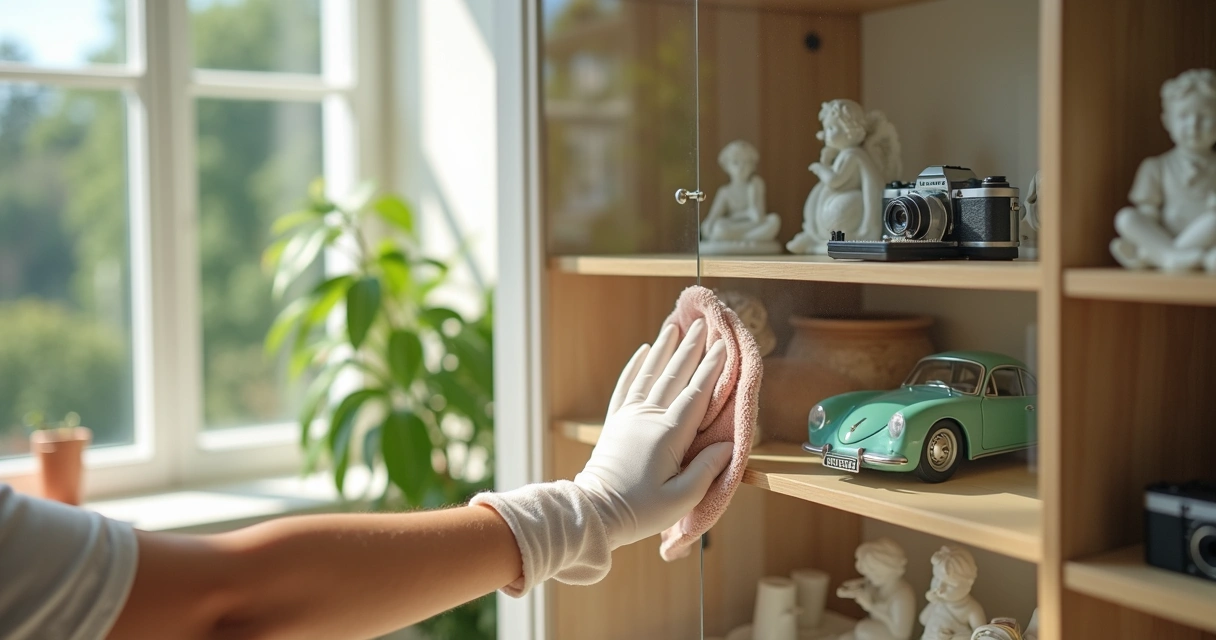
- Display cabinets with glass doors: These keep visible collectibles locked away from most airborne dust but allow easy access when I want to reminisce.
- Shadow boxes or deep frames: I use these for paper memories, pins, and delicate jewelry. They keep things flat, undisturbed, and visually appealing.
- Acid-free boxes and photo albums: For old letters, delicate fabric items, or important photographs, I choose acid-free storage. It prevents both dust and chemical decay.
- Plastic or acrylic cases: Especially useful for figurines and action figures, as these materials seal out dust and humidity without obscuring details.
Choosing the right storage is a balance. You want your memories accessible, but not exposed to the things that harm them.
How to display without inviting dust?
Open shelves look beautiful, especially when filled with books or collectibles. But I’ve noticed how quickly these surfaces gather dust. To keep displays fresh, I found that using barrier displays (like glass cabinets) for prized items and rotating what is out in the open is more effective than spending hours dusting every week.
If you want to showcase some of your collection on open shelves, think about placing the most fragile or valuable pieces behind glass, while saving sturdier items for the open air. This creates an attractive visual mix but keeps cleaning manageable.
Store precious pieces so you can see and celebrate them, not so you end up dreading dusting day.
Regular cleaning: Less stress, more enjoyment
Routine dusting makes cleaning day less of an event and more a few simple moments. I find that fifteen minutes each week is enough for most of my collection, as long as I keep up with the basics. My go-to tools include:
- Microfiber cloths for quick, gentle dust removal from smooth surfaces.
- Canned air or a soft brush for getting into small spaces without risk of damage.
- A handheld vacuum with a soft brush attachment, especially for shelves or plush textiles.
- Specialty wipes (for electronics or glass) for items that can’t be exposed to water.
I make a habit of dusting on the same day as general cleaning, often combining the two. It feels less like a chore and more like taking care of things that mean a lot to me.
Safe techniques for delicate items
Not all collectibles react well to standard cleaning. In my experience, some need special care:
- For paper items: I avoid direct wiping. A light touch with a soft, dry brush is best. High humidity can be a risk, so I keep these items away from kitchens and bathrooms.
- For textiles: I shake out or gently vacuum plush toys and fabric keepsakes. If washing is safe, I use cold water and air dry fully before returning the item to its place.
- For ceramics, glass, and metal: Microfiber cloths work perfectly. Sometimes just a breath of air is enough to send loose dust away without risk.
- For electronics or old cameras: I use specialty wipes and keep them stored away from direct sunlight, to avoid both dust and temperature damage.
The best approach is always gentle and dry first—wet cleaning only if absolutely sure the object can handle it.
Controlling dust in the home overall
Even with the best storage and regular cleaning, controlling dust throughout the home makes a difference. Over time, I found several habits that help limit how much dust lands on my keepsakes:
- Keep windows closed during windy days, especially if you live near roads or construction.
- Place doormats at every entrance and encourage everyone to remove shoes indoors.
- Wash or vacuum curtains and upholstery often, since these catch much of the house’s dust.
- Change your HVAC or air purifier filters as recommended, since these quietly collect dust that would otherwise settle everywhere.
- If you have pets, brush them regularly to reduce shedding and fluff that settles on surfaces.
Every small layer of prevention makes each cleaning session a bit lighter.
Special tips for different collectibles
Protecting old books and papers
Old books are fragile, especially at the spine and pages. I store mine upright, not too tightly packed, and out of sunlight. Occasionally, I air them out in a cool, dry room to prevent musty smells and keep dust at bay. Acid-free bookmarks are a better choice than sticky notes or paperclips, which can collect dirt and damage the pages.
Keeping family photos clear and crisp
Family photos almost always attract both dust and fingerprints. I keep mine in closed albums or frames with sealed backs whenever possible. If displaying photos openly, glass-fronted frames stop the worst of the dust from settling directly on the image.
Toy collections and figures
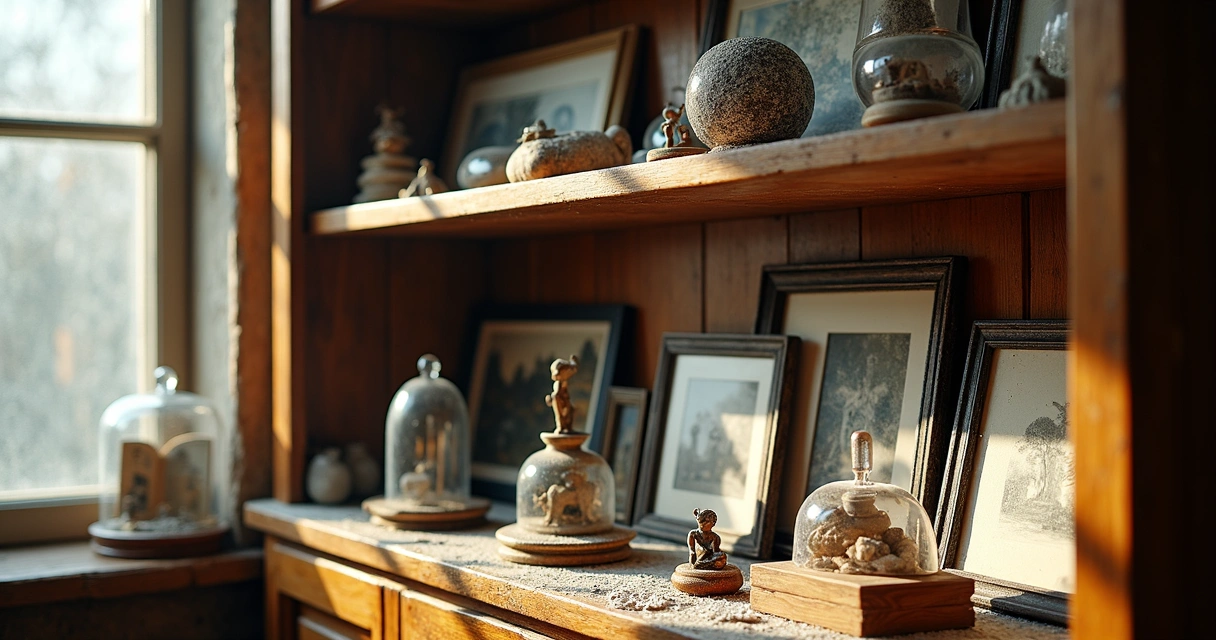
Action figures, plush animals, or model cars seem to attract dust like magnets, especially in children’s rooms. I use acrylic cases or display domes for the most prized ones. For toys that must be handled, a gentle cleaning session every two weeks with a soft brush keeps them looking fresh and loved.
Sentimental jewelry
Jewelry picks up both dust and oil from the skin. I keep mine in lined boxes or hanging organizers and wipe them down with a soft, dry cloth before putting them away. This simple routine keeps even old, delicate pieces beautiful and ready to wear for any occasion.
When to seek help with cleaning
Sometimes, a treasured item has suffered more than I can safely fix. If an object is truly valuable or especially fragile, I look for professional advice before trying to clean it myself. Antique textiles, artwork, or items with sentimental but unclear materials might need a very gentle hand. For most things, gentle habits and regular attention keep them beautiful year after year.
Building a routine that fits your life
It took me time to find ways that work for my space and schedule. What matters is consistency, not perfection. A few minutes each week, a storage solution that makes you smile, and the right cleaning tools—these let your memories shine while staying safe from dust. I love glancing up at my shelf and seeing not only the past but also the care I put into keeping those moments fresh.
Your memories deserve more than a cover of dust.
Treating your collectibles with care isn’t just about keeping them clean. It’s a way to stay connected, and to show respect for the stories that made you who you are. For me, the effort is always worth it.