Open shelving has become more than a passing trend. I have noticed its popularity growing in both new homes and apartment renovations. But just because it pops up all over social media, does it mean it is the right choice for you? After seeing friends wrestle with this decision, and testing it out myself in a small kitchen, I have collected a lot of thoughts on the real benefits and potential drawbacks. In this article, I am sharing what I have learned so you can decide if open shelving fits your style and daily life.
What is open shelving?
Before weighing the pros and cons, I think it helps to be clear about exactly what open shelving is. Instead of traditional cabinets with doors, open shelves are exposed and often wall-mounted, displaying items like dishes, books, or decorative pieces. In kitchens, living rooms, and even bathrooms, shelves turn storage into something visual.
With open shelving, your storage becomes part of your room’s design.
This approach can feel liberating, but it also means giving up the world of hidden clutter. So, what should you know before making a decision?
Pros of open shelving
First, let’s look at why so many people love it. In my experience, the appeal goes beyond just following trends. Open shelving changes how a space feels and functions in some enjoyable and even surprising ways.
- It makes a room look lighter and bigger. With fewer closed cabinets, I find spaces appear less crowded. This is especially true in smaller kitchens or living rooms, where every inch matters.
- Easy access. If you cook regularly, repeatedly opening cabinet doors can get tiring. Open shelves allow you to grab what you need quickly, whether it is a mixing bowl or a mug for morning coffee.
- Personal expression. Shelves give you the chance to put your favorite things on display: beautiful dishes, colorful glassware, books, or plants. I have noticed visitors immediately comment on the personal touches I put out in the open.
- Budget-friendly. Installing open shelving is often less expensive than going with full cabinetry. This can help if you are doing a remodel on a tighter budget.
- Encourages organization. Because everything is visible, you are more likely to keep things tidy and only keep what you truly use or love—at least, that has been true for me.
Open shelving can bring a sense of airiness and ease to even the busiest rooms.
Cons of open shelving
But it is definitely not perfect for everyone. After living with open shelves, I ran into a few pain points that are good to consider before jumping in. Here are a few of the main potential drawbacks and challenges I have experienced:
- Dust and grease build up quickly. With no doors to protect your items, dust settles fast. In a kitchen, grease from cooking can collect on nearby dishes and glasses, so regular cleaning is a must.
- Visual clutter risk. If you are not naturally neat, open shelves can look messy. Even when things are tidy, too many colors or mismatched containers can make a space feel busy instead of relaxing.
- Storage limitations. I have discovered not everything looks good on a shelf. Plastic containers, mismatched mugs, or bulky items are trickier to display. Sometimes, you simply need closed storage to hide less attractive necessities.
- More frequent organizing. It is easier to get away with stuffing things behind closed cabinet doors, but open shelves force you to put things back more carefully. That is rewarding, but it takes time day after day.
Open shelves keep you honest, but they also add chores to your weekly routine.
Best places to use open shelving
After talking to others and reflecting on my own spaces, I have found that open shelving works better in some rooms than in others. Where you put your shelves can make a big difference in how much you enjoy them.
Kitchens
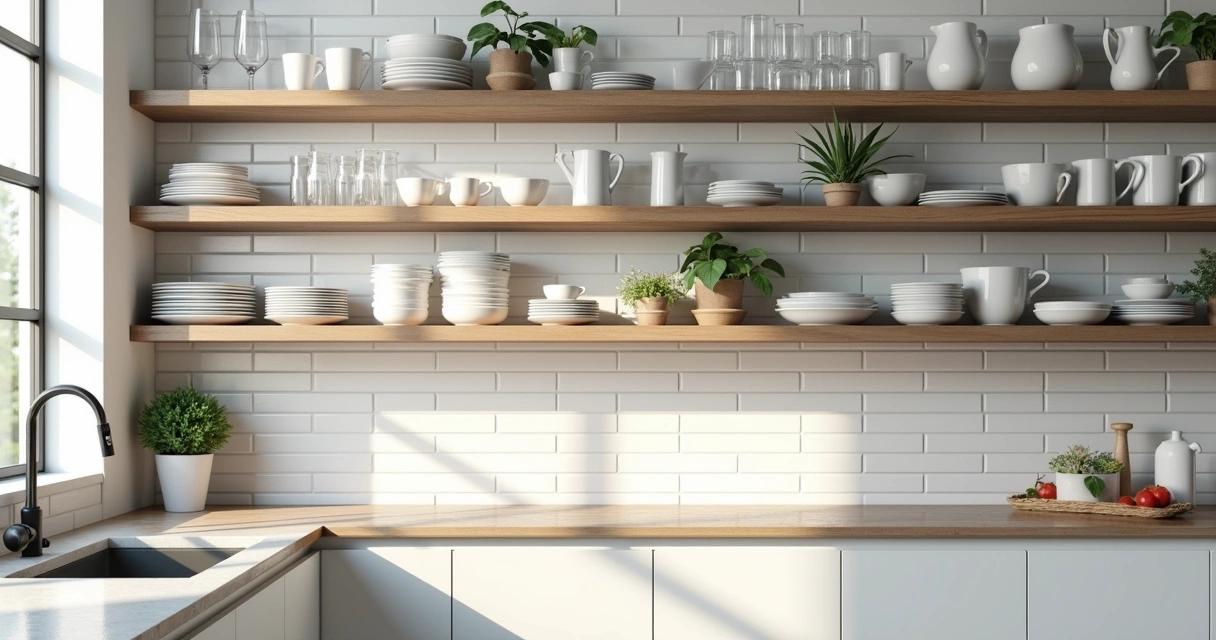
This is the most common spot. I think open shelves in kitchens work well for items you use every day: plates, bowls, glassware, maybe a favorite mug or two. I usually keep less-frequently-used items, like large serving platters or odd gadgets, tucked away in closed cabinets below.
Living rooms
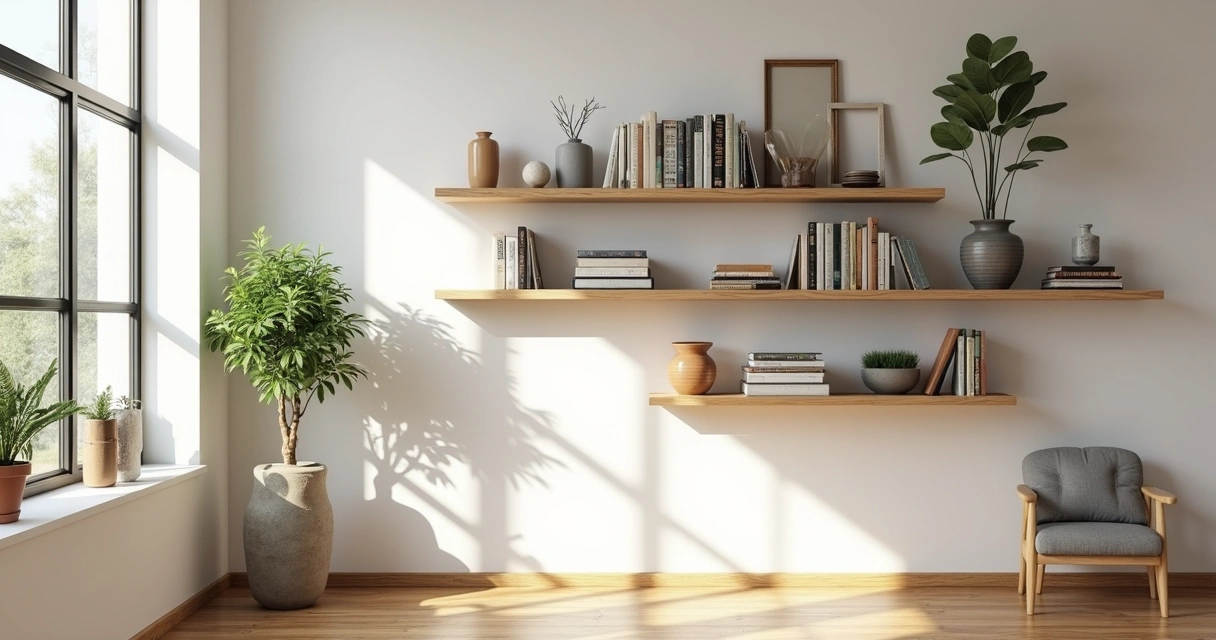
In living rooms, open shelves can become a place for books, framed photos, or small art pieces. You can make them look intentional by arranging objects with space between, mixing tall and short items. I find a few well-placed plants give it a fresh, lively feel.
Bathrooms
It might sound risky, but I have seen lovely examples of open shelving in bathrooms. Rolled towels, baskets for toiletries, a row of perfumes—all can look neat and attractive. Just keep items minimal and practical to avoid crowding the space.
Workspaces and entryways
Open shelves at a work desk or in an entryway offer both function and decoration. I place jars of pens, small boxes for keys, or a stack of favorite notebooks. It is easier to find things quickly when you are heading in or out the door.
When open shelving works best
If you are trying to decide if this style is the right fit for your home, I have found it helps to ask yourself a few specific questions:
- Are you comfortable seeing your items on display? If the thought of guests seeing your dishes, books, or products makes you uneasy, it might not be the best fit.
- Do you enjoy tidying and arranging things? People who like to refresh their displays, organize by color, or keep things visually pleasing generally love open shelving.
- Is your home already short on closed storage? If so, swapping out all cabinets for shelves could create frustration. A mix of both often works best.
- Are you seeking to save on remodeling costs? Open shelving can lower expenses, especially for upper sections in kitchens or offices.
- Will your open shelves be in a high-traffic or messy area? In some busy homes, shelves fill with dust, pet hair, or fingerprints more quickly, so that is something to weigh.
In my own kitchen, I found the combination of traditional lower cabinets and a few upper shelves creates balance. I put out my prettiest bowls and keep less-attractive items behind closed doors. This reduces clutter and keeps cleaning manageable.
You do not have to choose all open or all closed. Mixing both styles often works best.
How to make open shelving practical and attractive
If you decide to try open shelving, I picked up a few simple habits that keep things looking and working their best:
- Group by type and color. Sticking to a tight palette—like all white dishes, or natural wood and glass—brings harmony. Group similar objects together for a clean look.
- Limit what you display. I often rotate seasonal or favorite items onto the shelves and pack away extras. Less really is more with open shelving.
- Use baskets or boxes for small items. In bathrooms or entryways, attractive containers hide less pretty items but blend visually with the rest.
- Clean regularly. I wipe down my shelves once a week and give dishes a quick rinse if dust appears.
- Add small touches of nature. A little plant or a vase with flowers keeps the display feeling fresh and personal.
When you use restraint, open shelving can look styled—never chaotic.
My final thoughts: Is open shelving right for you?
I have come to see open shelving as a design choice that should reflect how you live, not just what looks popular right now. For some, the freedom and beauty it brings are worth the regular upkeep. Others may find the constant cleaning and need for order too stressful, especially with a busy family, pets, or little time for daily tidying.
If you love displaying treasured pieces, enjoy organizing, and want to give your space a fresher, lighter feel, open shelving could be a great choice for you. On the other hand, anyone who values simplicity and wants storage to help hide visual noise is probably better off including mostly closed cabinets, perhaps with just one or two shelves for special touches.
I think the mix of both worlds often works best. Use closed cabinets for most storage, and choose open shelves for what you use and love the most. That way, you can show some personality without inviting extra cleaning or stress. As with so many design choices, listening to your own habits and preferences is what matters most.