I have seen first-hand how a tidy pantry can make life calmer. In 2026, pantry organization is about more than neat shelves. It is about simplicity, health, and even a little fun. Modern trends blend smart tech, sustainability, and a strong desire for peace at home. Here, I want to share what I have learned, tried, and discovered about turning a pantry into a real helper in daily life.
Why pantry organization matters to me
Each time I organize my pantry, I notice I waste less food and feel more in control of what I eat. In the past year, I found that clear shelves help me stay on track with my food goals, avoid extra spending, and spend less time searching for things. There is a sense of relief that comes with order.
Peace of mind starts with what you see when you open a door.
Organizing is also about safety. In my experience, a neat pantry makes it simple to spot expired goods and avoid accidents. Those little changes save time and money—and sometimes frustration.
What are the trends in pantry organization in 2026?
This year, the pantry is smarter. Connected devices, eco-conscious storage, and flexible layouts are gaining traction. I noticed many of my friends using simple apps to track what is in their pantries, and some even have smart shelves that monitor food freshness.
- Smart storage: Shelves now may connect to kitchen apps, helping you track best-before dates and shopping lists.
- Eco-friendly bins:
- Transparent containers made from recycled glass or BPA-free plastic are everywhere, making it easier to see what you have.
- Adjustable shelving:
- People want pantries to adapt to their changing needs—sometimes it is more snacks, sometimes more grains or spices.
- Personal touches:
- I enjoy adding labels, baskets, and even a little color to make the space mine.
These may sound modern, but at the heart of it, these trends make daily living easier, reduce how much goes to waste, and can add a bit of beauty.
Getting started: How do you organize your pantry?
It is all about making a plan. When I organize my pantry, I always follow some simple steps. Here is what I found works best:
- Take everything out and clean the shelves. This is my chance to start fresh and really see what I have been storing (and sometimes hiding) behind those jars.
- Sort items into groups: grains, snacks, canned goods, spices, and so on. I always check the expiry dates at this point and create a pile for things that need to be used soon.
- Decide what I want in front and at eye level. For me, it is always the must-haves—rice, pasta, crackers, or peanut butter, depending on the season.
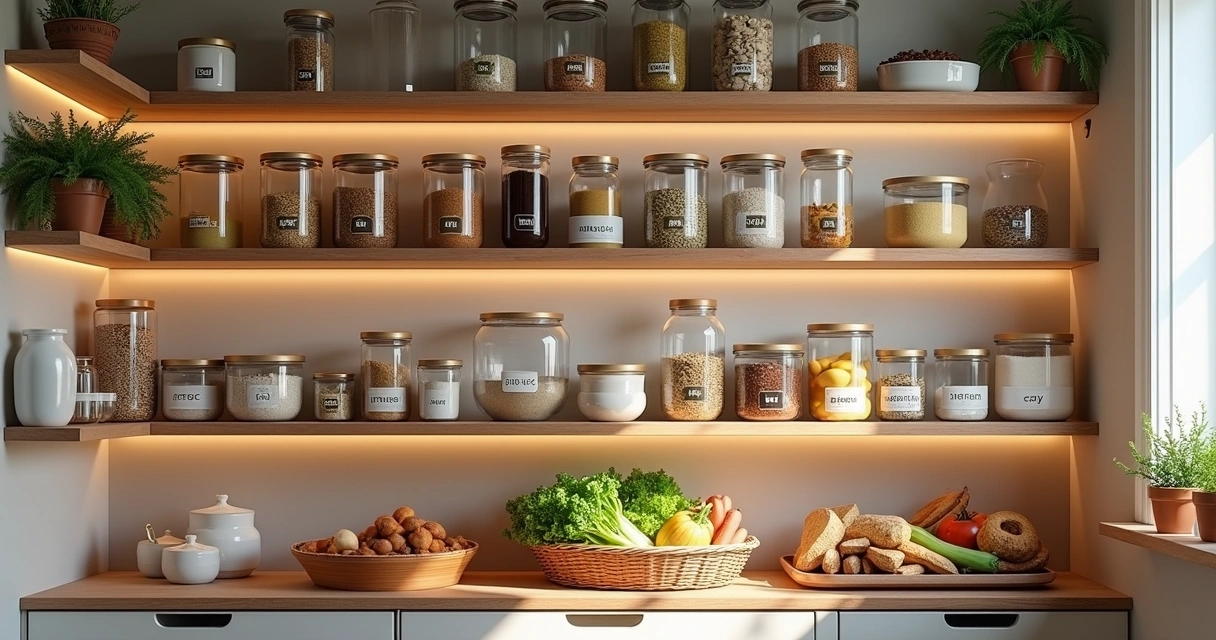
- Use clear containers or bins. In my kitchen, I rely on these for everything from cereal to dried fruit. I find labeling the containers keeps me organized and adds a sense of order.
- Return everything to the shelves by group, with the oldest products in front. This keeps things rotating and prevents hidden surprises from getting lost.
One secret tip: I always take a photo when I am done. It helps me remember what I have, especially when writing a shopping list later.
Smart pantries and technology
By 2026, technology finally feels like a part of the pantry rather than a distraction. I have tried a few smart devices and apps that remind me when staples are running low or alert me if something is going out of date soon. It is simple, with no need for overwhelming gadgets.
Smart containers now track food freshness using small sensors or QR codes scanned with a phone. This information pops up in an app or sends a gentle reminder. I was surprised at how much time this saved, especially when life gets busy. Some systems even help plan meals with what you already have at home, cutting down on food waste.
In my experience, though, technology is most helpful when it supports your habits and does not replace them. I still keep a marker nearby to cross off used items or jot down my weekly meal inspiration.
Sustainability and healthy choices
One thing I value is making my pantry as gentle on the planet as possible. I have started moving toward jars, reusable bins, and cloth bags. The less waste, the better. Changes like switching to glass containers keep food fresher and are better for the environment in the long run.
This thinking has also helped me make better food choices. Having grains, nuts, beans, and dried fruit organized in clear containers encourages healthier snacking. Seeing nutritious options right at eye level nudges me toward them every day.
Another change is storing less processed food. By organizing my shelves with whole and natural ingredients, I have found that cooking is quicker and much more enjoyable.
Creative solutions for small spaces
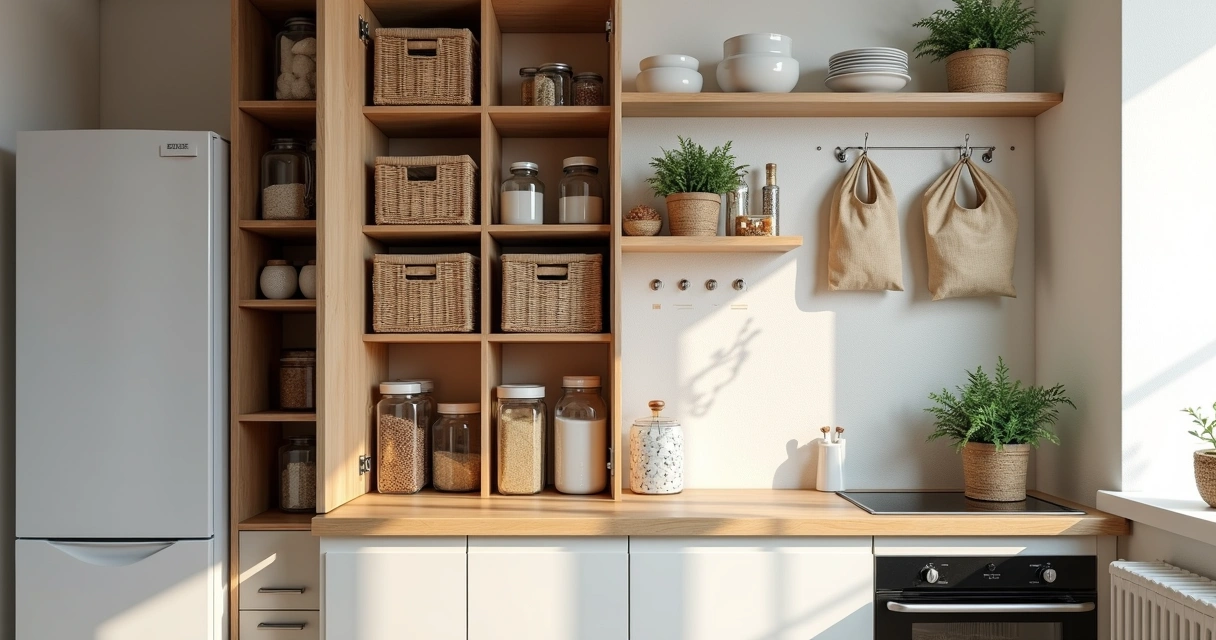
I once lived in a studio with just two cupboards. Even in small places, a pantry can work wonders. Here is what I learned along the way:
- Slim vertical shelves: Great for tucking away between appliances.
- Back-of-the-door racks: Perfect for spices, snacks, or anything you reach for often.
- Stackable containers: These maximize every inch when floor and shelf space run tight.
- Hooks and hanging baskets: I use these for onions, garlic, or even reusable bags.
A little creativity turns any corner into usable storage. The smallest nooks, when well-planned, save the most time and headache.
Simple tips to keep things tidy every day
One lesson I learned: a good pantry is not built in a day. It takes a bit of maintenance, but it pays off. Here are a few daily habits I practice:
- Do a quick shelf check each week to move older items forward.
- Refill containers as soon as you finish something, so running out is rare.
- Adjust shelf height or zones as your needs shift—kids growing, seasons changing, new food interests appearing.
- Keep a notepad or electronic list for what needs restocking. I add something every time I notice it is low.
- Use baskets for oddball items that accumulate, like snack bags or condiment packets, to prevent clutter.
A few minutes a week keeps the chaos away.
Mindful shopping and pantry planning
Organizing my own pantry changed how I shop. I now plan meals with what is already available. Shopping lists are shorter. Impulse buys have dropped. It gives me a sense of intention—not just with food, but in my schedule and my spending.
Maintaining a clear view of your pantry means you spend smarter and enjoy meals more.
Now, when family and friends visit, someone always comments on how easy it is to find what they need. That makes me happy, and it is the final touch for a welcoming kitchen.
Final thoughts: The pantry as a helper in daily life
My journey toward efficient pantry organization taught me a simple truth: order brings comfort. A well-arranged pantry is not a luxury. It is a tool for well-being, less waste, and a calmer start to every meal.
Whether you want a high-tech solution or just a few jars and bins, the most important step is to start. Try it once, and soon you will appreciate how a tidy pantry supports your goals, your health, and your peace of mind.
A tidy pantry is a quiet happiness you notice every single day.