Thinking back to my own journey with sugar, I can remember mornings filled with sweetened coffee, lunches with a little dessert, and evenings where cravings for something sugary could feel almost impossible to resist. Whenever I tried to cut back, I felt lost about where to begin. Over time, I discovered practical steps that worked for me, and I’m excited to share them with you. If reducing sugar is on your mind, just know that you really can start simple. Small everyday changes add up. It doesn’t mean giving up all pleasures, but a little awareness goes a long way.
Why does sugar matter in our daily food?
First, I like to keep things realistic, sugar is everywhere, and our bodies do need some form of it to function. But the trouble starts when sugar sneaks into more foods than we realize. Too much can impact not only your energy throughout the day but also the way you feel physically and emotionally.
Added sugars show up in many foods, not just candy and desserts. They’re in drinks, sauces, breads, cereals, and even things labeled “healthy.” This surprised me, and made me rethink my own choices.
It isn’t about obsession or guilt. To me, it’s about making decisions that help me feel my best. Less sugar, for me, led to fewer energy crashes and fewer sudden cravings. I started to notice little changes in how I felt, and in my mood, too.
Spotting sugar in everyday foods
If there’s one skill that’s helped me more than anything, it’s learning to spot sugar where I least expect it. Looking at labels became a daily habit. Suddenly, foods I once thought of as “just fine” turned out to pack a sugary punch. Here’s what I look out for:
- Ingredients ending in “-ose” (like glucose or fructose)
- “Syrup” in any form, such as corn syrup or rice syrup
- Words like cane juice, honey, molasses, or fruit concentrate
Even products not usually considered sweet, think store-bought pasta sauce or salad dressing, might be full of sugar. Learning the different words for sugar gave me more power to control my intake.

The easiest first steps to cutting sugar
When I first tried lowering my sugar, trying to cut everything at once felt overwhelming. So I started small:
- Swapping sugary drinks for water or unsweetened tea
- Choosing plain yogurt over flavored (and adding my own fruit)
- Picking fruit for dessert instead of baked goods
- Making coffee with less sugar, slowly reducing the amount
Each tiny swap felt manageable. Over time, my taste buds adapted. Foods that once seemed bland had more flavor, while overly sweet foods became almost too much. It really surprised me.
Small changes are easier to stick with.
Handling sugar cravings
For me, cravings were always the hardest part. Sometimes, they would hit when I just felt tired or stressed. Here’s what I’ve tried that really worked:
- Drinking a big glass of water first, sometimes, it was just thirst
- Going for a quick walk, even around the block
- Eating something high in protein or fiber, like nuts or a boiled egg
- Distracting myself with an activity (calling a friend or reading a book)
Cravings don’t last forever, even if they feel urgent in the moment. I noticed that they pass faster when I don’t give in, and over time they actually come less often. This was a relief to learn from experience.
Cooking at home: in control of sweetness
Cooking more meals myself was a turning point. It was the only way I knew exactly what was in my food. Here’s what I did at home:
- I chose recipes that naturally didn’t need added sugar
- When possible, I reduced sugar in baking by a quarter or a third (it often still tasted good!)
- I flavored foods with spices like cinnamon, nutmeg, or vanilla to boost sweetness
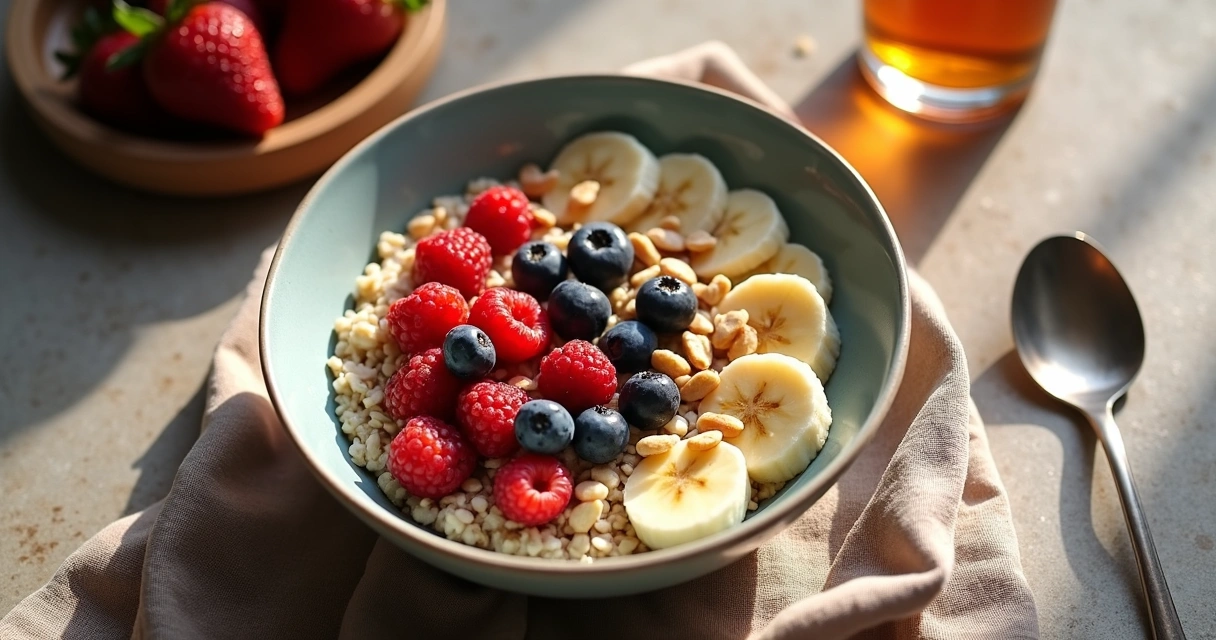
- Added fruits, like banana or applesauce, to pancakes or oatmeal for natural sweetness
I realized that homemade meals are usually lower in sugar, even without much effort. It gave me a sense of control, and also sparked some creativity in the kitchen.
Smart swaps: choosing alternatives
Some days, I still wanted something sweet, that’s normal and okay! Instead of fighting it, I found alternatives that satisfied the craving without as much sugar. Here are a few options I loved:
- Fresh fruit as a snack or dessert
- Frozen berries blended into a smoothie
- Dark chocolate in small amounts
- Homemade energy bites made with oats, peanut butter, and dates
- Sprinkling cinnamon over apple slices or toast
In my experience, flavor matters. Spices, citrus zest, herbs, and even a touch of salt can make foods taste sweeter or more interesting, no extra sugar required.
Find new favorites by trying what works for you.
How to keep your progress going strong
There’s no perfect path to eating less sugar. Some days went better than others for me, and that’s just part of the process. Here’s how I kept going:
- Not being too hard on myself if I wanted a treat
- Celebrating every small win (like skipping a soda or choosing fruit)
- Planning ahead for situations where sugar lurks (holidays, dining out)
- Sharing what I was doing with friends, support matters
Sticking with small, steady changes made all the difference for me. I didn’t aim for perfect, just progress. Over weeks and months, my habits changed, and sugar lost its hold over my routines.
Conclusion: enjoying a less-sweet routine
When I look back, reducing sugar didn’t mean losing pleasure in food, it meant finding pleasure in new flavors and more steady energy every day. Whether you’re just beginning or already on your way, know that each small step counts.
You don’t have to do it all at once.
Trust your taste buds to change. Trust your body, too. With a bit of curiosity and patience, a less sugary routine might just become your new normal.
Frequently asked questions
What are easy ways to cut sugar?
Start with one change at a time, like switching to water instead of sweetened drinks or using less sugar in your coffee. Choose plain yogurt, add fruit for natural sweetness, and cook more meals at home so you know exactly what’s going in your food. Over time, your tastes will shift and you’ll crave sugar less.
How to replace sugar in recipes?
In my experience, you can often cut the sugar by 25–30% in baking recipes and still have good results. Try using mashed ripe banana, unsweetened applesauce, or pureed dates to bring sweetness and moisture to your dish. Adding spices such as cinnamon or vanilla also boosts the sense of sweetness without more sugar.
What are hidden sources of sugar?
Many packaged foods have hidden sugars, like salad dressings, ketchup, mayonnaise, canned soups, and breads. Even “healthy” snacks can be full of added sweeteners. Always check ingredient lists for words ending in “-ose,” syrups, and concentrates.
Is reducing sugar really worth it?
I believe so! When I reduced my sugar, I noticed more steady energy throughout my day, and fewer mood swings. Some people experience clearer skin and better sleep, too. For most, the benefits are worth the effort, even if the changes feel small at first.
How can I satisfy sweet cravings?
Try eating a piece of fruit, drinking water, or making a snack with nuts and a bit of dark chocolate. Keeping healthier, lower-sugar options on hand helps for those moments when cravings hit. Remember, cravings do pass, and there are gentle ways to handle them.