Aging healthily is more than just a goal—it’s a universal desire. And contrary to what many might think, you don’t need to spend hours at the gym to feel the benefits of physical activity. For seniors, simple movements done in the comfort of home can increase vitality, strengthen the body, and even improve mood.
The human body was made to move—and that’s true at every age. In later years, staying active is one of the secrets to preserving independence, preventing disease, and enjoying life with more energy. The best part? You can achieve all this without spending much, without fancy equipment, and while respecting your own pace.
This article brings you accessible exercises, tips for performing them safely, and the motivation to turn your home into a true wellness space.
Why Exercise Is So Important in Later Life
As the years go by, the body naturally loses muscle mass and bone density. Flexibility decreases, balance may be affected, and energy doesn’t feel the same as it once did. The good news? Physical activity helps counter all of that.
Some of the key benefits for those over 60 include:
-
Muscle strengthening, essential to prevent falls and make daily activities easier, such as climbing stairs or carrying groceries.
-
Improved circulation, reducing the risk of cardiovascular disease.
-
Increased joint mobility, which supports independence.
-
Boosted mental health, thanks to the release of endorphins—the feel-good hormones.
-
Better posture and reduced muscle and joint pain.
And all of this can be achieved with simple exercises tailored to each person’s reality.
First Step: Safety Comes First
Before starting any routine, it’s important to take a few precautions:
-
Consult a doctor to assess your physical condition and possible restrictions.
-
Wear comfortable clothing and closed shoes that offer good stability.
-
Prepare your space, moving furniture and removing loose rugs to prevent accidents.
-
Stay hydrated before, during, and after activity.
And, of course, always respect your body’s limits. The goal is to boost health, not cause injury.
Simple Exercises to Do at Home
Below are exercises that require little or no equipment and can be done in any corner of your home. It’s best to start slowly, increasing time and intensity as you adapt.
1. Marching in Place
Marching in place is perfect for warming up and getting your blood flowing.
How to do it:
-
Stand tall with your feet hip-width apart.
-
Begin marching in place, lifting your knees alternately.
-
Gently swing your arms to increase energy expenditure.
Tip: Play some upbeat music to make it more enjoyable.
2. Sit-to-Stand from a Chair
One of the most effective exercises for strengthening legs and glutes, while improving balance.
How to do it:
-
Sit in a sturdy chair with your feet flat on the floor.
-
Cross your arms over your chest or extend them forward for balance.
-
Stand up slowly using the strength of your legs, then sit back down.
-
Repeat 8 to 12 times, resting between sets.
Caution: Avoid chairs with wheels or unstable bases.
3. Heel Raises
Simple yet effective for strengthening calves and improving circulation.
How to do it:
-
Lightly hold onto the back of a chair or a wall for support.
-
Rise up onto the balls of your feet, lifting your heels as high as possible.
-
Lower them slowly back down.
-
Repeat 10 to 15 times.
This also helps prevent swelling in the legs.
4. Side Stretch
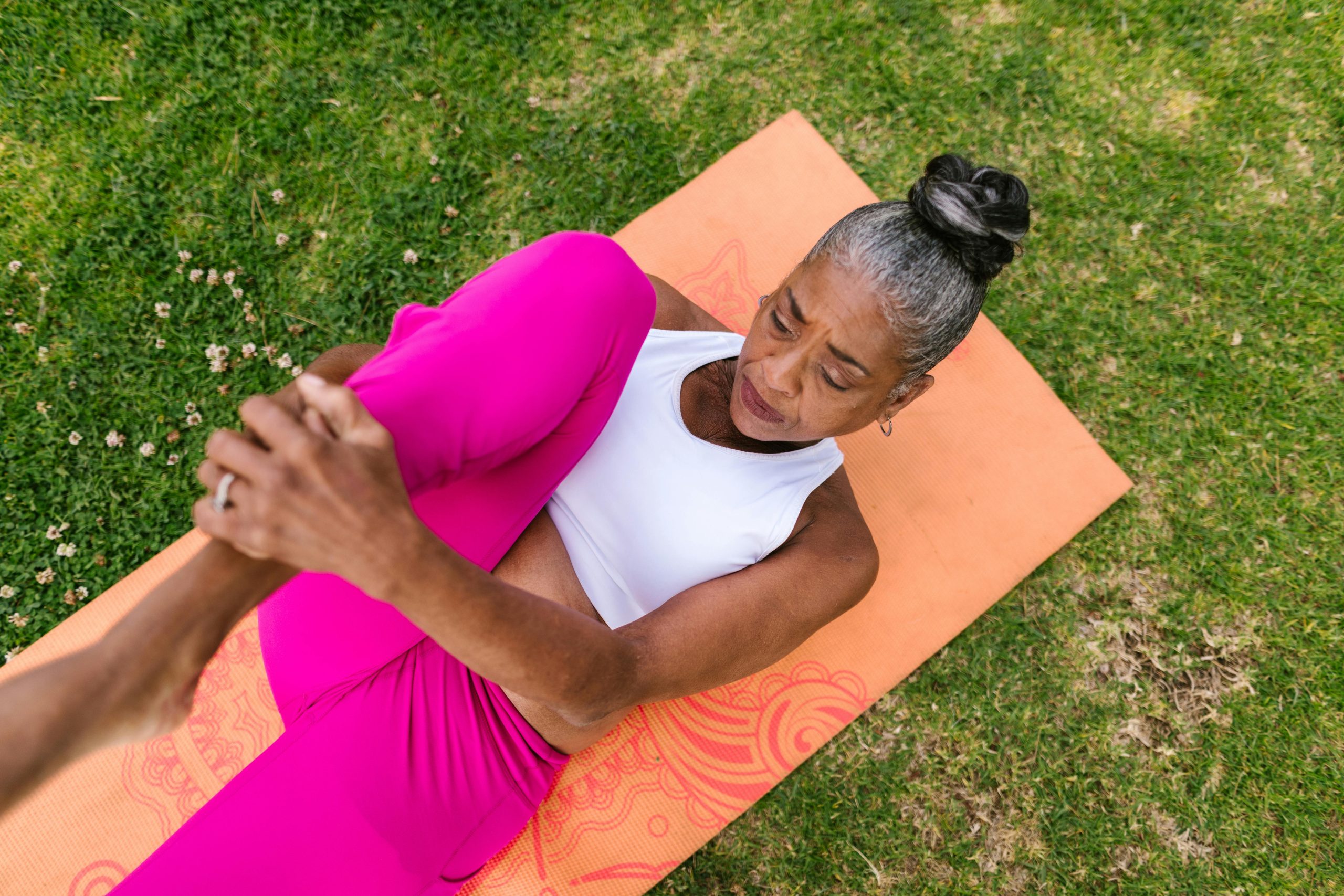
Great for maintaining spinal flexibility and improving posture.
How to do it:
-
Stand with your feet shoulder-width apart.
-
Raise one arm over your head and lean your body to the opposite side.
-
Hold for 20 to 30 seconds and repeat on the other side.
Tip: Breathe deeply during the stretch to enhance relaxation.
5. Arm Exercises with Water Bottles
A practical way to strengthen arms and shoulders using what you already have at home.
How to do it:
-
Take two water bottles (500 ml to 1 liter) filled with water.
-
With arms by your sides, lift them to shoulder height, then slowly lower.
-
Repeat 8 to 12 times.
Over time, you can increase the weight by using larger bottles.
6. Seated Knee Lifts
Perfect for those with balance concerns or who prefer seated movements.
How to do it:
-
Sit on the edge of a chair with your back straight.
-
Lift one knee toward your chest, hold for two seconds, then lower.
-
Alternate legs, repeating 8 to 10 times on each side.
7. Ankle Rotations
Simple yet highly effective for maintaining mobility and preventing stiffness.
How to do it:
-
While seated, lift one foot off the floor and rotate your ankle in a circular motion.
-
Switch direction after 10 rotations, then change legs.
This improves circulation and helps prevent cramps.
Building a Routine That Works
The secret to results lies in consistency. More important than doing a lot at once is making it a daily habit.
-
Start with just a few minutes: 10 to 15 minutes can already make a difference.
-
Gradually increase: Once comfortable, add more repetitions or sets.
-
Choose a regular time: Routine helps you stick to it.
-
Mix up exercises to work different muscle groups and avoid monotony.
The Role of Music and Motivation
Listening to upbeat tunes or songs that bring back good memories can make exercise more enjoyable. Creating a small ritual—like putting on comfortable clothes or opening the windows for fresh air—can help associate the activity with positive feelings.
Benefits Beyond the Physical
Exercising at home regularly offers more than just muscle and endurance gains. The benefits go far beyond:
-
Improved mood and reduced stress.
-
Increased confidence in performing daily tasks.
-
More energy for social interactions and leisure activities.
-
A sense of purpose, as taking care of your body is also an act of self-love.
Listening to Your Body’s Signals
While exercising, always pay attention to how your body responds. Mild discomfort can be normal, especially in the beginning, but intense pain, shortness of breath, or dizziness should prompt you to stop immediately and, if needed, seek medical advice.
Remember: exercise should give you energy, not leave you overly exhausted.
Turning Your Home into a Wellness Space
You don’t need a dedicated workout room. A living room with some space or even a wide hallway can be enough.
A few simple items can help:
-
A non-slip mat or exercise mat.
-
A sturdy chair without wheels.
-
Water bottles or resistance bands.
With these, you can create a safe, motivating environment for daily movement.
The Power of Small Wins
Every repetition you do, every day you keep your commitment, is a victory. This is not about competing with anyone—it’s about celebrating your own progress.
It might seem hard at first, but over time, climbing stairs without getting tired, carrying groceries with ease, or playing with the grandkids longer will be proof that the effort was worth it.
Aging with vitality is the sum of conscious choices. Moving your body is one of them—and it can start today, right there, in your own home.